
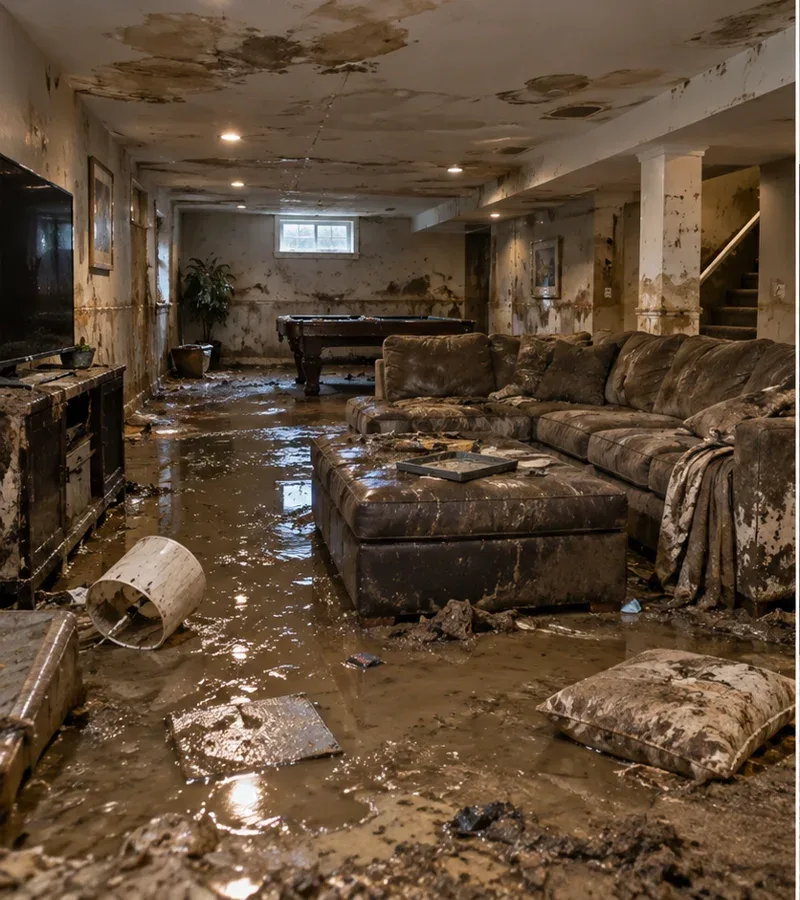
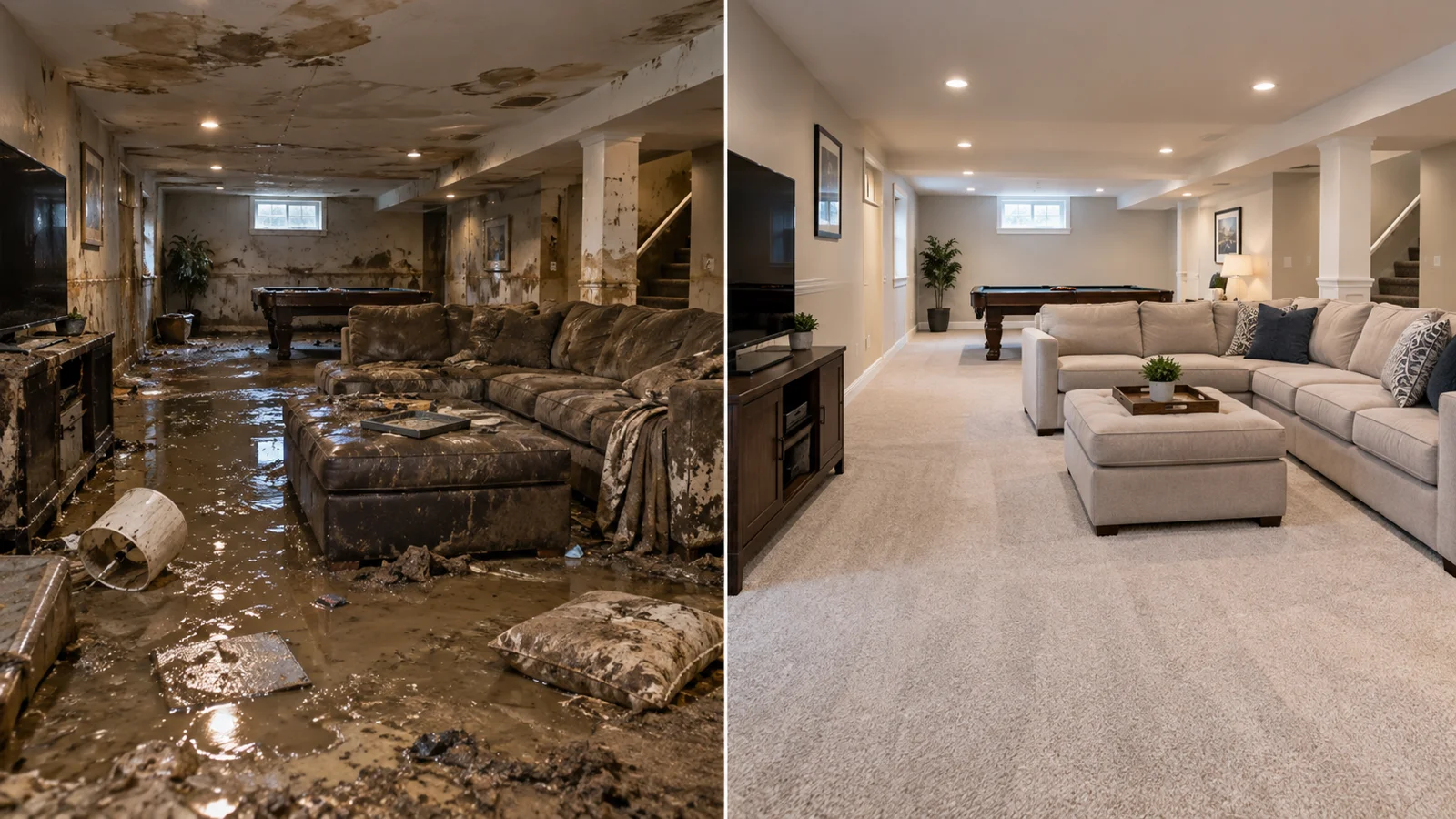
Water removal addresses accessible pooled water and the practical work needed to get it out of the affected space. A localized overflow may seem simple, but source control, floor construction, contents, and access can change the scope. Contact Flood Cleanup Phoenix with a description of the wet area and its surroundings. This page concentrates on the removal task itself, including what information supports it and what should be checked afterward, rather than treating every water event as a full reconstruction project.
Locate the water and its lowest collecting points
A pool can form away from the original leak as water follows a floor’s slope or crosses a threshold. From a safe position, note the source room and the area where water has collected. Include hallways, closets, and adjoining spaces if they are visibly affected. Do not assume that water stayed inside a doorway simply because that is where the problem began. An accurate description of the collection points helps define access and avoids overlooking a small connected area during the initial removal conversation.
Explain the water’s history
State whether the water came from a known supply line, an overflow, rainfall, or an uncertain source. Also explain when you discovered it and whether it has changed since then. A provider should not have to infer the source from the water’s color. Appearance can be misleading, particularly after water has crossed dirty surfaces or contacted stored materials. If the original source cannot be confirmed, preserve that uncertainty in the description. The history informs decisions about handling, cleaning, and what other assessment may be needed.
Match the scope to the affected floor
Hard flooring, carpet, and mixed finishes create different questions once accessible water is gone. The removal task may address the surface while leaving moisture beneath a finish for further investigation. Tell the provider about any step-down areas, floor transitions, or visible gaps where water traveled. Do not lift a finish or remove a threshold without discussing it. The aim of the first scope is to remove accessible water safely and identify the next evaluation, not to assume that every concealed layer can be understood from above.
Keep people clear of unsafe areas
Avoid walking through unknown water and keep others away from wet electrical equipment. Never use an ordinary household vacuum to collect liquid or operate electrical devices in an unsafe wet space. If the situation is limited to an accessible plumbing shutoff outside the affected area, safe source control may be possible. Otherwise, call the appropriate professional and describe the hazard. The fact that water appears shallow does not establish that the area is safe; surface depth is only one part of the situation.
Arrange the property details before a visit
Give the full street address, entrance location, and room position. For a commercial unit, describe how to reach the affected area without passing through restricted operations. For a rented residence, identify the owner or manager who authorizes work. If moving dry items can safely improve access, keep them separate from wet contents. Do not make hazardous measurements just to complete a request. Approximate room dimensions and a clear description are a sensible starting point until the space can be assessed properly.
Understand removal costs and exclusions
Water volume, accessible floor area, travel paths, obstructions, and source conditions influence the work. Ask whether the proposed price includes disposal, cleaning, moisture review, or only collection of accessible water. A quotation that covers removal should not be compared directly with one that includes drying and repairs. No flat price is represented on this site. Use the cost planner with rates you have obtained and add other planned costs separately when they are excluded. An assessment remains necessary to define the actual scope and price.
Make the next-step review part of the conversation
When the visible water is out, identify any unresolved source problem and the materials that remain wet or damaged. Discuss whether inspection, structural drying, or contamination cleanup is required. Keep a record of what was included in the removal task so follow-up work is not confused with a completed job. A room can be free of puddles while still needing attention at its edges or beneath flooring. Clear handoff notes help the owner understand why a separate moisture check may be recommended.
Questions about this cleanup situation
What should I tell you when I call?
The address, where the water is, roughly how deep, the likely source and the floor type. Mention any access limits like gates or stairs.
Is water removal enough, or do I need drying?
Removal handles the visible water. If readings show moisture in walls or subfloor, drying is the next step and is usually necessary.
Can you remove water from a garage or patio?
Yes, where it is safe and accessible. Describe the surface and any drain location when you call.
How soon can the floor be used again?
That depends on moisture readings after removal, not on how it looks. Ask for a reading before you reinstall furniture or flooring.
Is water removal appropriate for a single room?
A single affected room can still benefit from assessment if water is pooled, the source is uncertain, or the floor assembly may be affected. Describe its size, source, and adjoining spaces. The appropriate response depends on those conditions, not simply on whether the event appears large enough to call a flood.
What if the visible water has already disappeared?
Explain that it was present and describe where it reached. The remaining question may be moisture inspection or damage assessment rather than bulk removal. Photographs and timing are useful. Do not add water or disturb the materials to recreate the event; report the history and present condition as accurately as possible.
Should I include wet contents in the room description?
Yes. Boxes, rugs, furniture, and other contents can affect access and may need their own decisions. Mention what was wet and whether it was moved. Handling belongings is not automatically included in every removal quote, so clarify that part of the scope before assuming it will be addressed.