
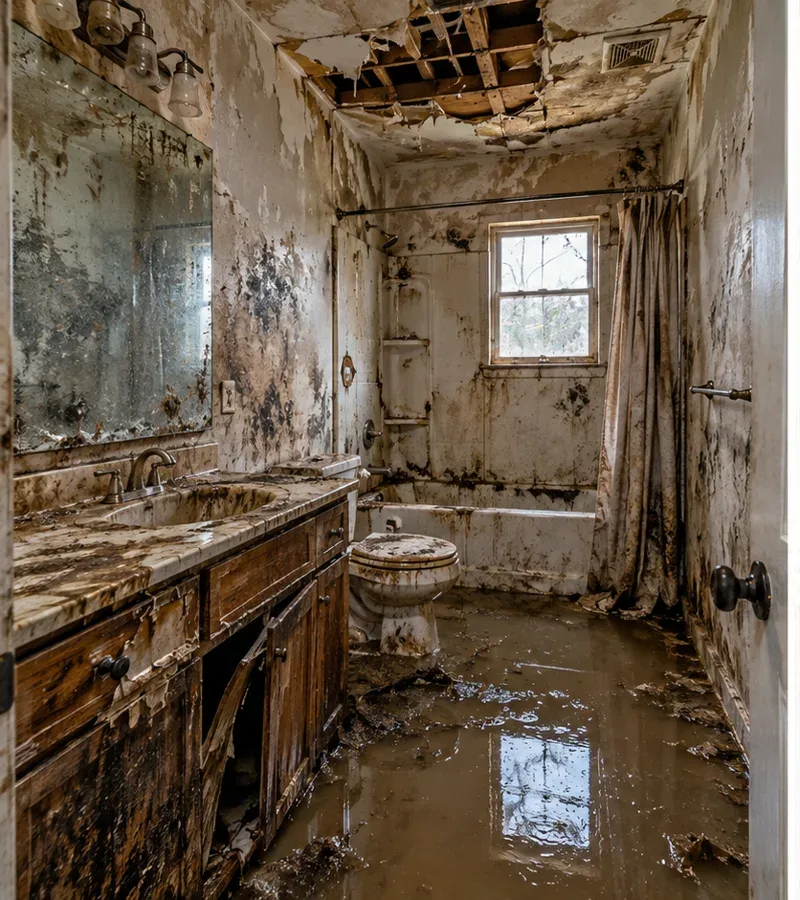
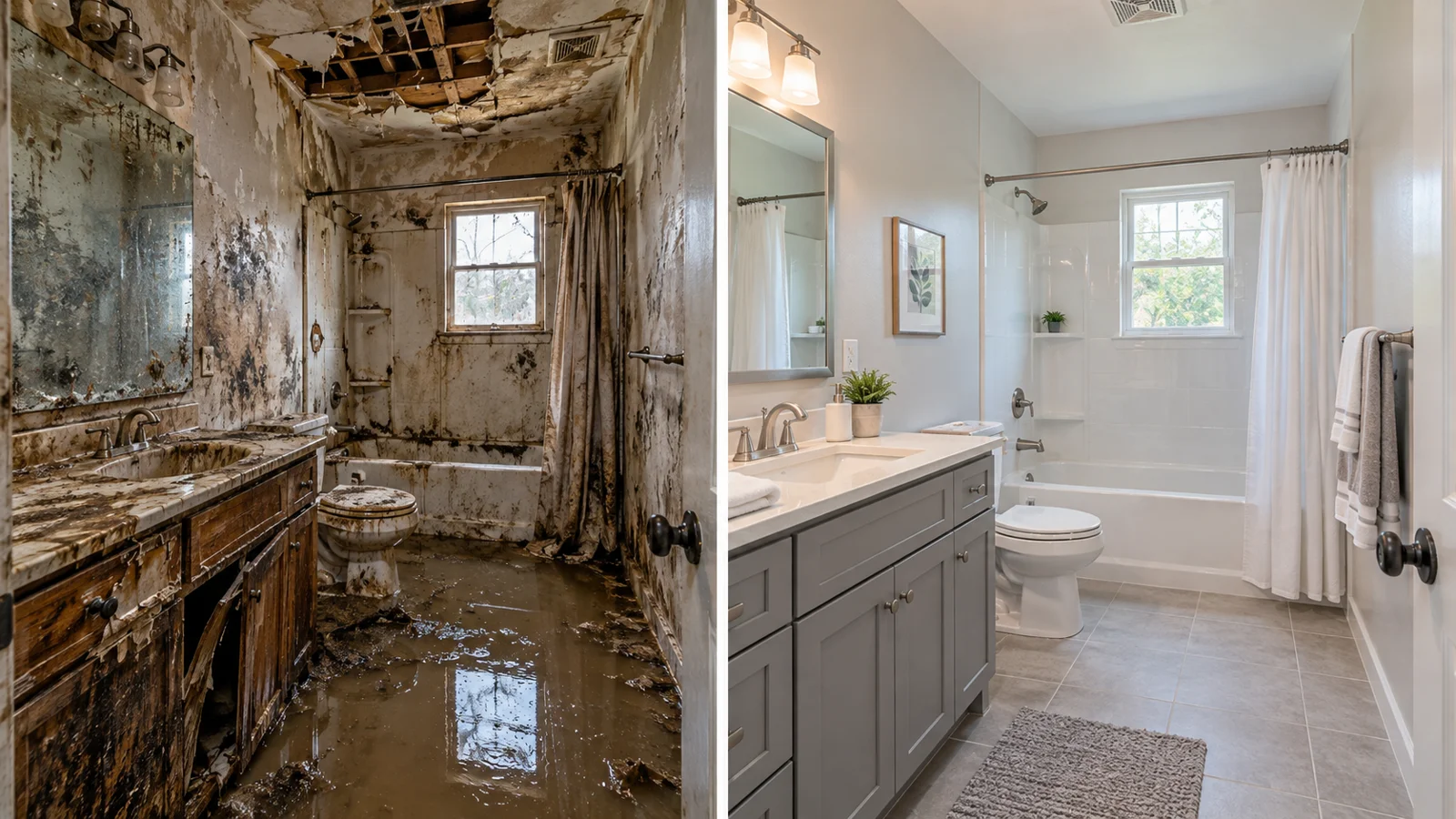
Emergency water extraction focuses on standing water that needs to be removed from an interior before the remaining damage can be assessed. The first conversation should identify an active source, electrical hazards, contaminated water, and the route into the affected rooms. Flood Cleanup Phoenix can be contacted to discuss those conditions and confirm response availability. Extraction is a distinct early task: it helps address pooled water, while moisture inspection, cleaning, drying, and repairs may still be required afterward.
Describe bulk water without entering it
Give an approximate depth only if you can observe it from a safe location. Note whether the water is pooling in one room, crossing a hallway, or appearing below an upper-floor leak. A photo taken from a dry doorway may be more useful than a risky measurement. Say whether the source is still running and whether any outlets, appliances, or cords are near the affected area. These details influence access and planning before anyone chooses a removal method or starts equipment.
Source control and extraction work together
Removing water while a leak continues can leave the problem unresolved. If the shutoff is safely accessible and familiar, isolating a plumbing source may help. If reaching it requires entering water or approaching damaged electrical equipment, leave that task to the appropriate professional. Storm intrusion has a different source-control problem: cleanup may need to be coordinated with weather conditions and later entry-point repairs. Describe what is known about the source rather than assuming extraction will also correct the failed pipe, roof, or drainage detail.
What an extraction assessment should consider
The amount of water, room layout, access, flooring, and source history all help define the initial extraction task. A carpeted room may have water in the padding, while a hard floor can hide travel at seams or beneath an edge. The assessor should understand how rooms connect and whether contents restrict access. Ask which areas are included in the extraction scope and how adjoining spaces will be checked. An initial removal plan should make clear what it addresses and what will be evaluated afterward.
The handoff to moisture inspection
Once visible pools are removed, the focus changes from bulk water to moisture remaining in materials. Floor layers, wall bases, and cabinet edges may need attention even when the room looks clearer. That handoff is important because extraction alone does not establish a dry structure. Ask how remaining moisture will be assessed and whether the proposed work includes follow-up drying. Keep the initial damage photos; they can help explain where the water traveled when it is no longer visible during a later inspection.
Prepare access rather than moving wet hazards
Provide the unit number, entry instructions, parking restrictions, and the location of the affected room. Move only unaffected items that are safely accessible and genuinely obstruct access. Do not drag wet electrical equipment out of the room or move potentially contaminated contents through a clean hallway. If the property is rented or managed, identify who can authorize entry and decisions about affected materials. A clear point of contact reduces confusion when source repair, extraction, and later work need coordination at the same site.
Extraction pricing needs more than square footage
Two rooms of similar size can require different work because water depth, floor construction, access, and contents differ. Confirm whether the price covers only extraction or also moisture checks, drying, cleaning, and disposal. Minimum visit charges or separate equipment charges should be discussed directly if relevant; none are invented here. The calculator can model a budget with rates you enter, but it cannot infer a company quote from a room count. Ask for the quantities and exclusions supporting any proposed extraction estimate.
Know what remains after the pools are gone
At the end of initial extraction, review the next practical questions: which rooms remain affected, whether porous materials need separate decisions, and how drying or contamination work will be scoped. Do not mistake an absence of puddles for permission to replace finishes or resume use of every space. Source repair and building assessment may proceed on different schedules. Keep the work description, photos, and any follow-up recommendations together so the transition from water removal to longer-term recovery remains understandable.
Questions about this cleanup situation
How quickly should I call for extraction?
As soon as it is safe. Water soaks into carpet pad, wall bases and subfloor within hours, and delay increases both the damage and the drying time.
Is the property dry after extraction?
No. Extraction removes the standing water. Moisture inside floors and walls still needs measuring and drying.
Can carpet be saved after extraction?
Clean-water carpet that is extracted and dried quickly can sometimes be saved. Storm or sewage water usually means the pad and often the carpet must be removed.
Do I need to move furniture first?
Only if it is safe. Do not enter deep or electrified water to move items, and tell us about heavy furniture when you call.
How quickly should I arrange extraction?
Report standing water promptly and explain any hazards before discussing access. The available response and appropriate sequence depend on the actual event. This website does not promise a fixed arrival time. If there is an immediate threat to people, use the appropriate emergency services rather than waiting for a routine restoration appointment.
Does extracted carpet become ready to use?
Not necessarily. Padding, subfloor, contamination, and remaining moisture can affect the decision. Removing water from the visible carpet surface does not answer all those questions. Ask whether the floor assembly is being assessed separately and what needs to happen before the area is returned to normal use.
Do you guarantee particular extraction equipment?
The method and equipment for a job should be confirmed directly after the conditions are understood. The website describes the purpose of extraction without asserting an unverified equipment inventory. Explain depth, access, and materials so the provider can discuss what is appropriate for the property.