
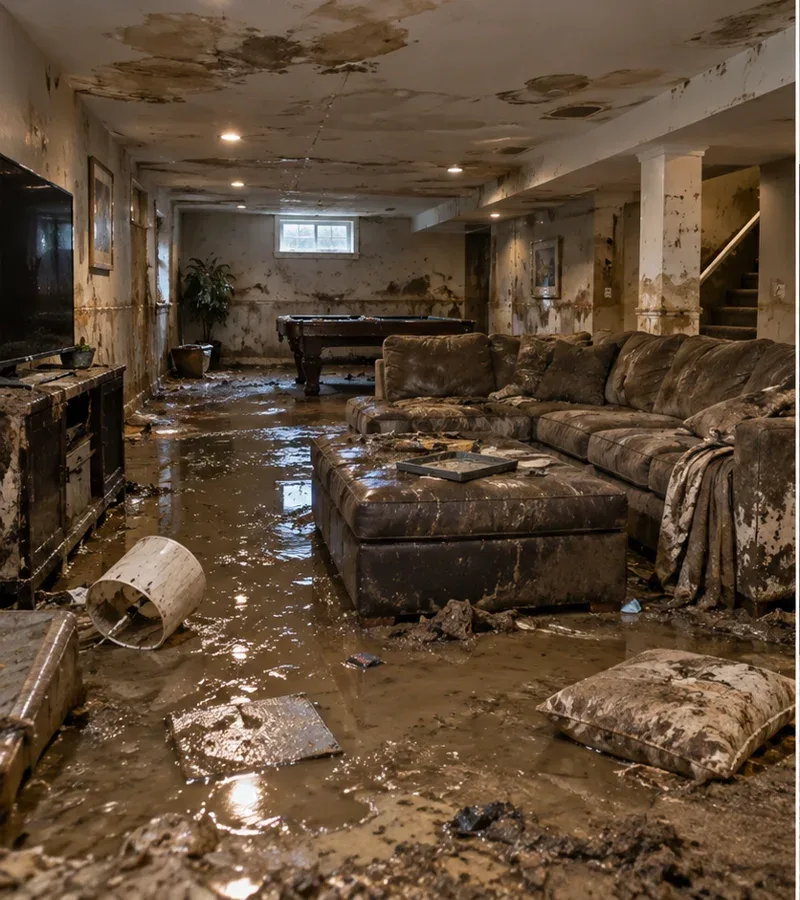
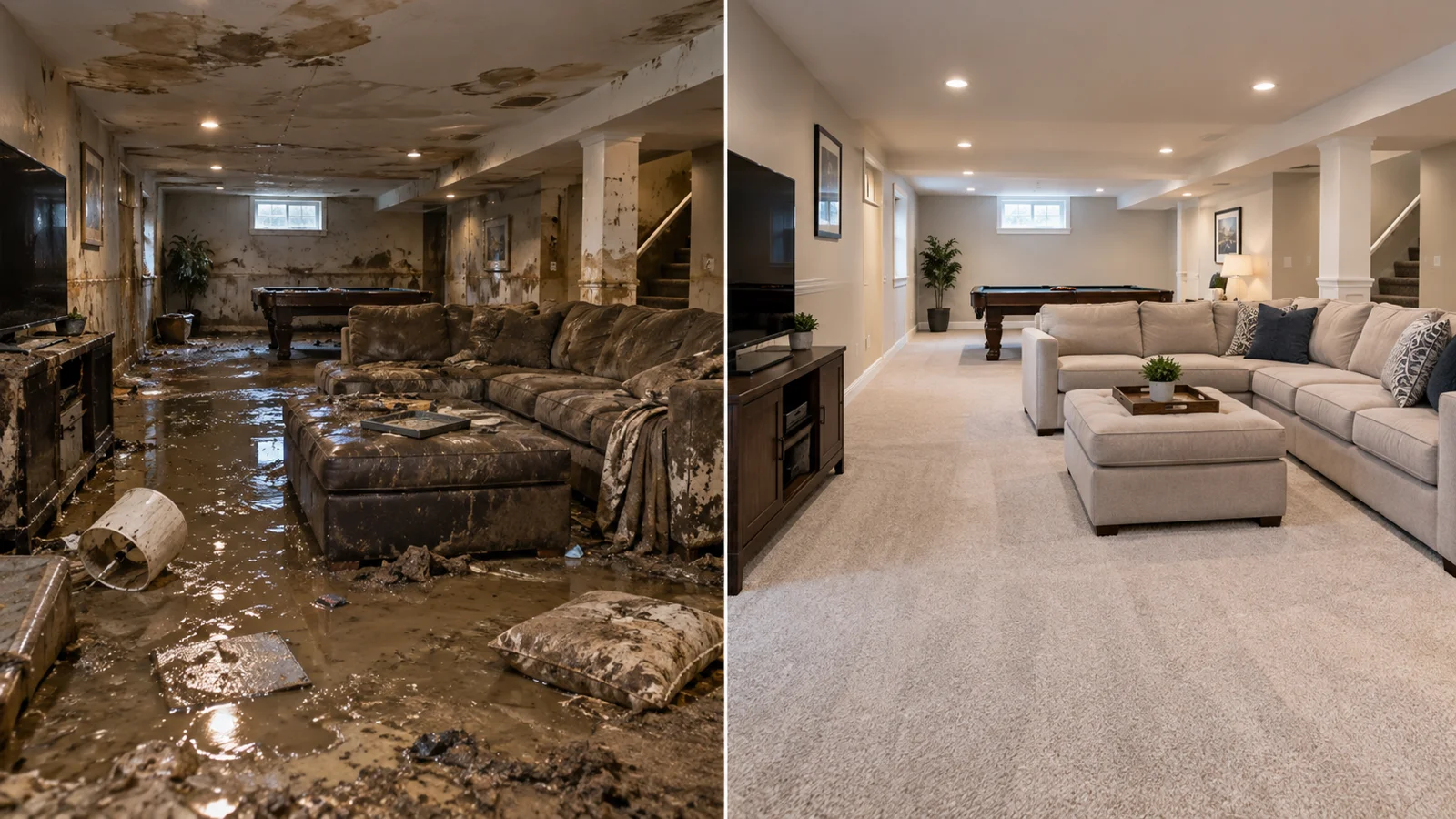
Emergency water damage cleanup starts with the decisions that cannot wait for a full repair plan: whether the site can be accessed safely, whether water is still entering, and which spaces are affected now. Contact Flood Cleanup Phoenix with those facts and confirm response availability directly. The service focus is triage and coordination of the first restoration tasks, followed by assessment of the materials and work still needed. No fixed arrival time or continuous opening hours are promised on this website.
Put the current condition first on the call
Begin with the exact property location and any immediate danger. Explain whether the water source is still active, whether the affected room is occupied, and whether electrical equipment or a damaged ceiling is involved. Give observations rather than a diagnosis. A statement that water is crossing the hallway now is more useful than describing the event only as a large emergency. If people face an immediate threat, seek the appropriate emergency services; a restoration enquiry should not delay a safety response needed for the situation.
Distinguish tasks that need different professionals
A pipe failure, wet electrical system, roof opening, and damaged interior can each involve different work. Explain which professionals have already been contacted and what they have addressed. Do not assume that an initial cleanup visit includes every source repair or building decision. Emergency coordination benefits from a clear division of responsibility: safe access and source control inform the restoration assessment, while extraction and moisture management address effects on the property. Confirm what the provider can undertake before relying on a general service description.
Prioritize affected spaces without inventing a repair plan
Identify the rooms with active water or visible damage and any route required to reach them. At an occupied property, distinguish affected spaces from dry accessible rooms, but do not declare an area safe based only on appearance. For a business, explain whether the wet area blocks an entrance or important access route. The first assessment can help define immediate tasks while leaving longer-term material and repair decisions for the appropriate review. Trying to decide every replacement item during the initial call can distract from the conditions happening now.
Keep first actions within safe limits
If an accessible familiar shutoff can be reached without entering water, safe source control may be possible. Avoid approaching wet outlets, using electrical devices in flooded spaces, or walking through unknown water. Move valuables only from accessible unaffected areas when doing so is safe. Photograph the visible condition without creating a new hazard. Do not break open an assembly or disturb damaged materials to give a better description. The first response should protect people and provide useful information, not turn uncertainty into risky investigation.
Establish a single contact for coordination
Identify who can authorize entry, source repair, and restoration work. At rented or managed properties, the caller and the authorizing person may be different, so make that clear. Supply unit numbers, access restrictions, and a safe contact method without sharing unnecessary sensitive information. Keep short notes on professional visits and actions taken. A single organized point of contact helps the people involved understand what has changed and avoids conflicting assumptions about whether the water has stopped or an affected room has been assessed already.
Expect the scope to develop with findings
An emergency assessment may define immediate water removal while the full drying or repair scope remains uncertain. Ask which tasks are being authorized now and which require later findings. Pricing can change with affected materials, contamination, access, and the extent of concealed moisture. No emergency surcharge or minimum charge is invented on this site. Confirm actual prices and exclusions directly. The calculator can organize your own budget assumptions, but it cannot infer a final cost from urgency or replace the site assessment needed for a restoration quotation.
Preserve the handoff after the immediate work
Once the active situation is controlled, review what remains: wet assemblies, damaged contents, source repairs, and any need for monitoring or reconstruction. Keep the initial event record with follow-up scopes so temporary actions do not become mistaken for completed restoration. Ask which areas still need assessment before regular use or finish replacement. The useful emergency outcome is a clearer next step grounded in the property’s condition, not an unsupported promise that removing visible water ends the entire recovery.
Questions about this cleanup situation
What should I tell you on the first call?
The address, where the water came from, whether it is still entering and any hazards. Mention access arrangements and which rooms are affected.
Do you guarantee an arrival time?
Response times depend on conditions and availability, and are confirmed directly on the call. Do not rely on a website for an arrival time.
What if I cannot reach the damaged room?
Do not enter an unsafe room. Describe what you know and we will advise on access and next steps.
Will the first visit finish everything?
Usually not. The first visit stabilizes the property. Drying, cleaning and repairs follow once the scope is clear.
Do you provide a guaranteed arrival time?
Response availability and timing must be confirmed by phone for the actual location and conditions. This website does not promise a specific arrival window. Describe active water, access restrictions, and hazards clearly so the conversation can address the practical next step rather than relying on an unverified estimate of response speed.
What if I cannot safely reach the damaged room?
Do not enter it to gather more information. Explain the access problem and what you can observe from a safe position. Appropriate professionals can discuss the required sequence. If the situation presents an immediate threat to people, use emergency services suited to that threat instead of treating restoration contact as a substitute.
Will the first visit complete all restoration work?
An initial visit may address assessment or immediate tasks while drying, cleaning, material decisions, and repairs continue separately. Ask what the visit covers and what will remain afterward. A clear written scope and follow-up plan are more useful than assuming that the word emergency means every affected assembly is restored in one stage.