
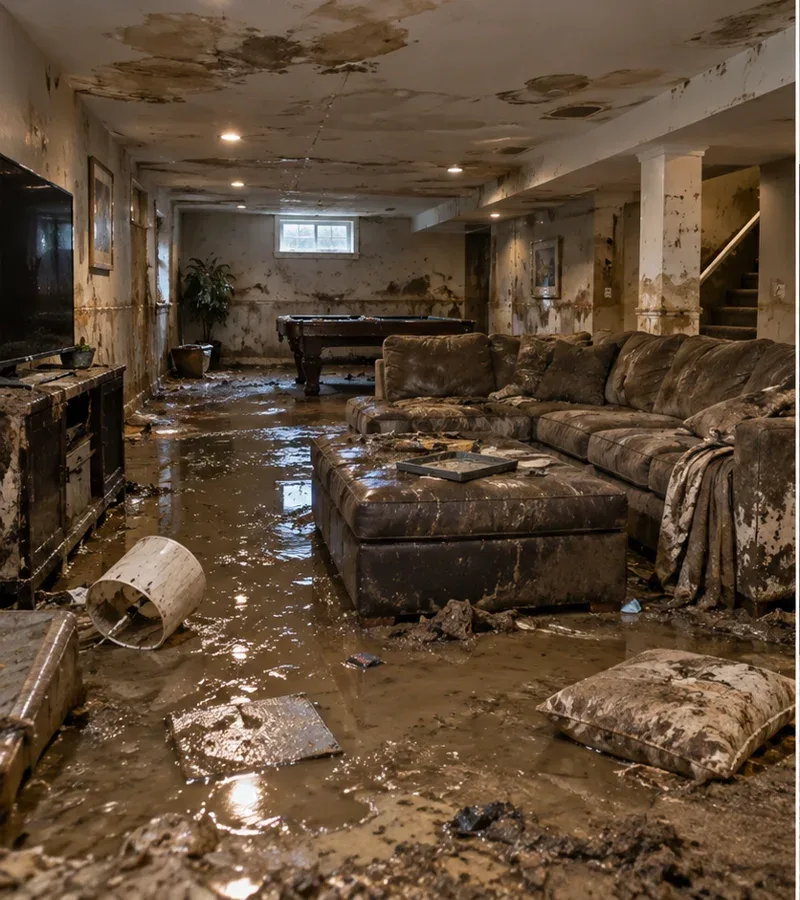
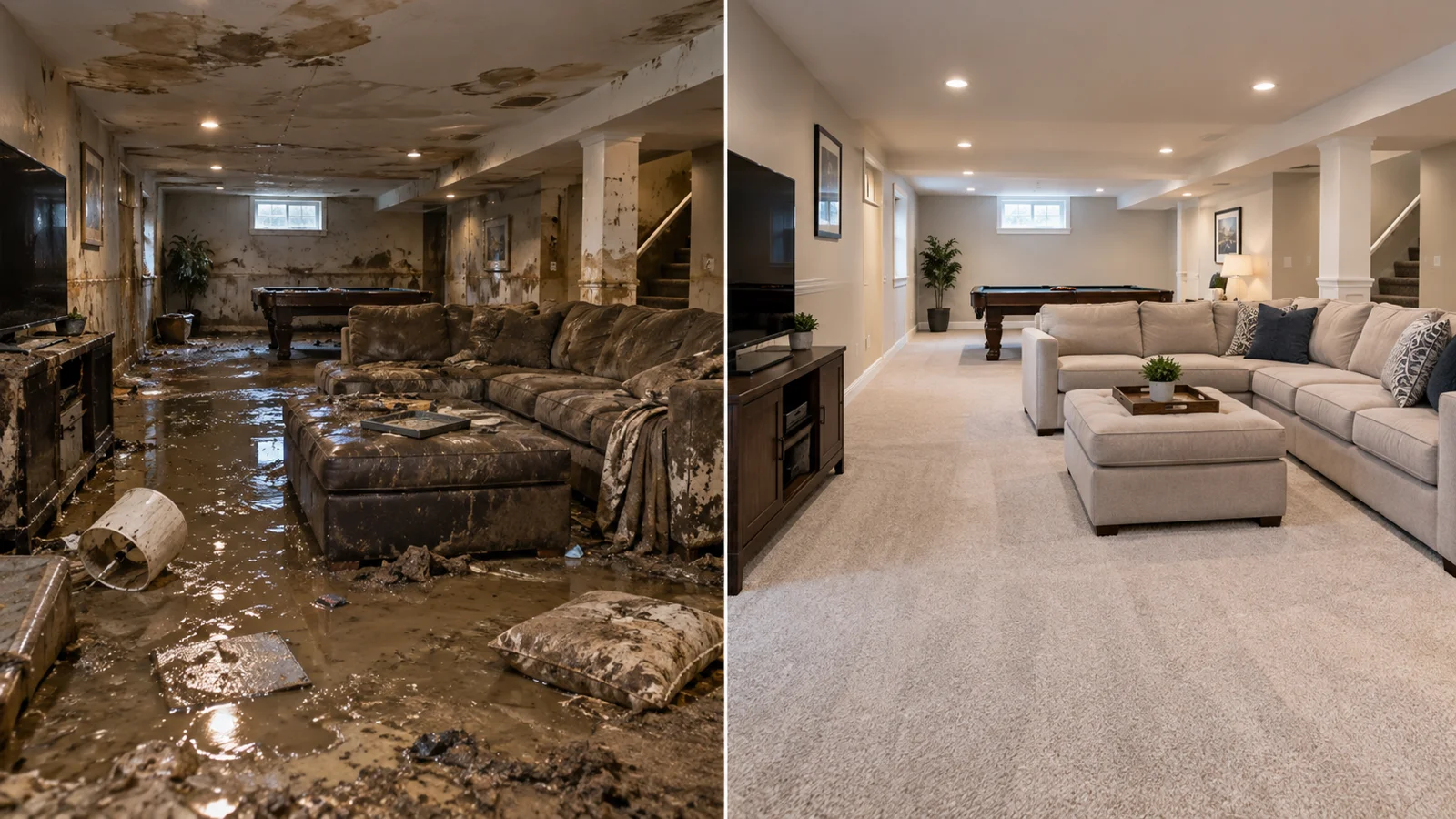
Wet flooring beside an exterior wall in Mesa can reflect more than one entry route. Water may have crossed a doorway, entered through a wall detail or arrived from an indoor plumbing failure near the perimeter. Flood Cleanup Phoenix can discuss cleanup based on the source and the affected layers rather than assuming the weather explains every wet surface. Call (480) 919-7058 with the address, discovery time and a description of the wall and floor. Tell us where water appeared first and whether it has continued to return.
Compare the wall and floor observations
Start by describing the wall and floor separately. A stained baseboard, damp wall corner and wet floor seam may be related, but the order of appearance can help the investigation. Note whether the wall was visibly wet higher up, whether the floor became wet first and whether there are indoor fixtures on the other side. Take wide photographs from a safe, dry position so the relationship between surfaces is preserved.
For a hypothetical Mesa room, rain might be noticed outside while water appears along an interior wall near a plumbing connection. The timing creates possibilities rather than proving a cause. A useful assessment considers the accessible building details and moisture pattern before deciding the repair route. Do not remove exterior components or interior trim simply to find an entry point yourself. Keep a record of repeated observations, including whether the wet area expanded after the apparent source stopped. This can help distinguish retained moisture from continued water entry.
Address an active source without overlooking alternatives
A cleanup plan needs to know whether fresh water is still entering. If a plumbing leak is suspected, report the fixture or connection involved and arrange appropriate source repair. If outside entry is suspected, describe the opening or wall area without claiming that a specific construction defect has already been confirmed. An exterior repair provider may need to investigate the building envelope while the restoration assessment addresses wet interior materials.
Avoid directing water across another part of the property as an improvised solution or working near wet electrical components. Keep people away from unstable finishes and uncertain standing water. Where source control remains unresolved, ask how that uncertainty changes the drying plan. Equipment can reduce retained moisture only if continuing wetting is managed. The scope should distinguish temporary protection, permanent repair and restoration of damage. That separation makes it easier to see whether the underlying problem has been addressed before new flooring or wall finishes are installed.
Inspect the perimeter assembly
Exterior-adjacent damage may involve more than painted wallboard. Base plates, insulation, trim and floor edges can retain water where visual access is limited. Ask whether the inspection will follow the perimeter beyond the initial mark and check connected corners or closets. Surface staining is informative, but it is not a reliable measure of the entire concealed assembly.
The type of wall and floor affects how findings are interpreted. Moisture measurements need appropriate material comparisons and context. Where a cavity cannot be evaluated reliably, the assessment should explain whether further access is necessary. Opening a wall is a consequential scope decision that should be supported by material condition, contamination concerns or drying limitations. Conversely, leaving trim in place should not simply be a cosmetic choice if it prevents access to trapped moisture. Ask for the reasoning in the written proposal so you can understand how observed conditions lead to the recommended work.
Match cleanup to the water history
Water that came from outside and crossed soil or dirty surfaces presents different questions from a recent indoor supply leak. Describe mud, residue, odor and any uncertainty about the route, but do not handle the water to test it. The assessor should consider what it contacted, how long materials may have remained wet and whether affected porous materials are suitable for cleaning and drying.
Extraction is one part of the process. Cleaning, controlled handling of materials and drying may need separate tasks. A wet rug beside the wall may require a different decision from the slab below or the wallboard above. Report contents that touch the perimeter, including furniture backs and stored boxes. Moving those items without a plan can carry moisture or residue into unaffected areas. Ask which surfaces will be cleaned, which assemblies will be dried and which items require another type of evaluation. A clear distinction prevents a general cleanup line from concealing important differences.
Monitor the wall-floor junction during drying
When the main puddle is removed, retained moisture at a wall-floor junction can still require treatment. A drying plan should identify the relevant materials, equipment access and monitoring points. Ask how progress will be tracked along the perimeter and whether adjoining flooring layers are part of the same zone. An exposed wall surface may improve before an enclosed base or underlayment reaches the project's target condition.
Keep the area accessible for planned checks and avoid putting furniture back against the wall prematurely. If the wet area reappears or grows, report the observation rather than assuming equipment merely needs more time. It may indicate an unresolved source or a previously unidentified route. Drying completion should rely on material condition and documented readings, not outdoor air temperature or a dry-looking finish. Reconstruction belongs after that review. Discuss who will replace trim, flooring or wall sections and whether exterior source repairs must be completed before the interior is closed.
Use the county's Mesa floodplain route
Mesa appears in Maricopa County's official list of communities served by the county for floodplain management. The county's floodplain information page includes a viewer and a route for property-level flood hazard inquiries. Use an exact address when checking those resources. This is a useful local distinction because the correct public contact is not identical for every city in the region.
An address-based map inquiry does not determine whether the current wet wall resulted from weather, a fixture or another building issue. Nor does a map establish the condition of repaired materials. Keep geographic floodplain research separate from the site investigation. When the event involves outside water, safe photographs of visible entry points and residue can support the building assessment. Avoid drawing conclusions about all Mesa properties from one occurrence. The appropriate next step is a clear property-specific account of source, water movement and material condition, followed by the separate repairs needed to reduce recurrence.
Define the perimeter loss in the proposal
Cost should reflect the work required along the affected perimeter, not just the square footage of the open wet floor. Access behind furniture, inspection of a wall cavity, extraction, removal, cleaning and drying monitoring can change the scope. Ask the provider to identify rooms and assemblies in writing, including any area that could not yet be inspected. A narrow wet strip can be more involved than its visible size suggests.
Maintain photographs and a record of source repair alongside the restoration documentation. If a previously concealed wet area is found, request the observation that supports added work. At closeout, ask what the team verified about the wall base and adjoining floor, and what repairs remain. Do not treat new paint as evidence that the perimeter has been restored correctly. A useful handoff tells the next repair provider which materials were retained, which were removed and where rebuilding is needed, so that the completed room rests on an understood drying result.