
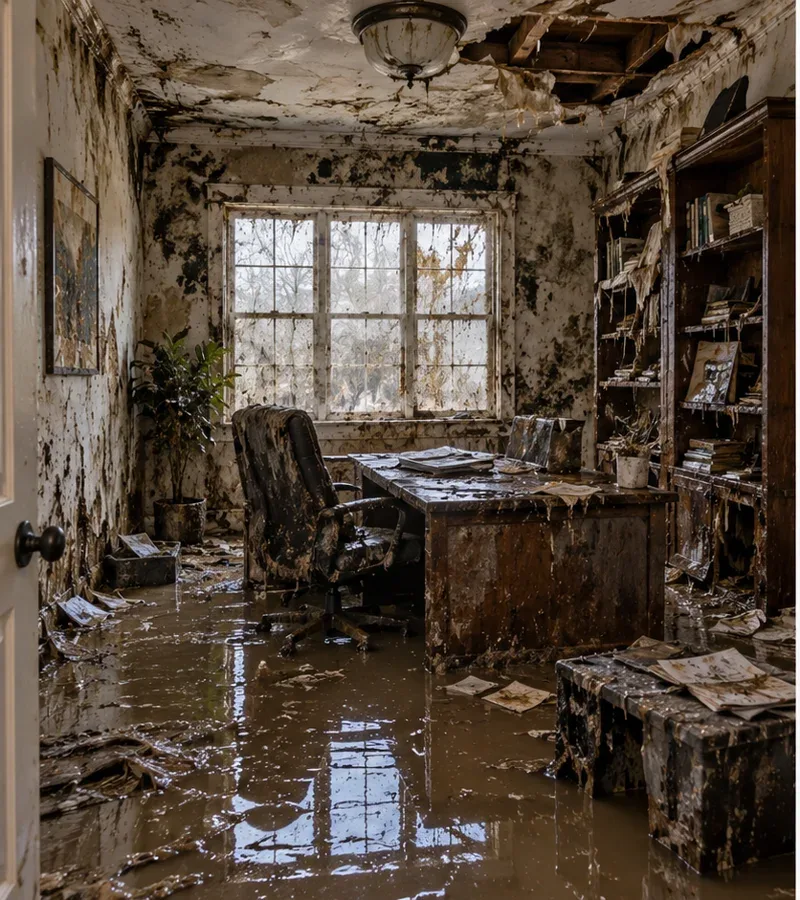
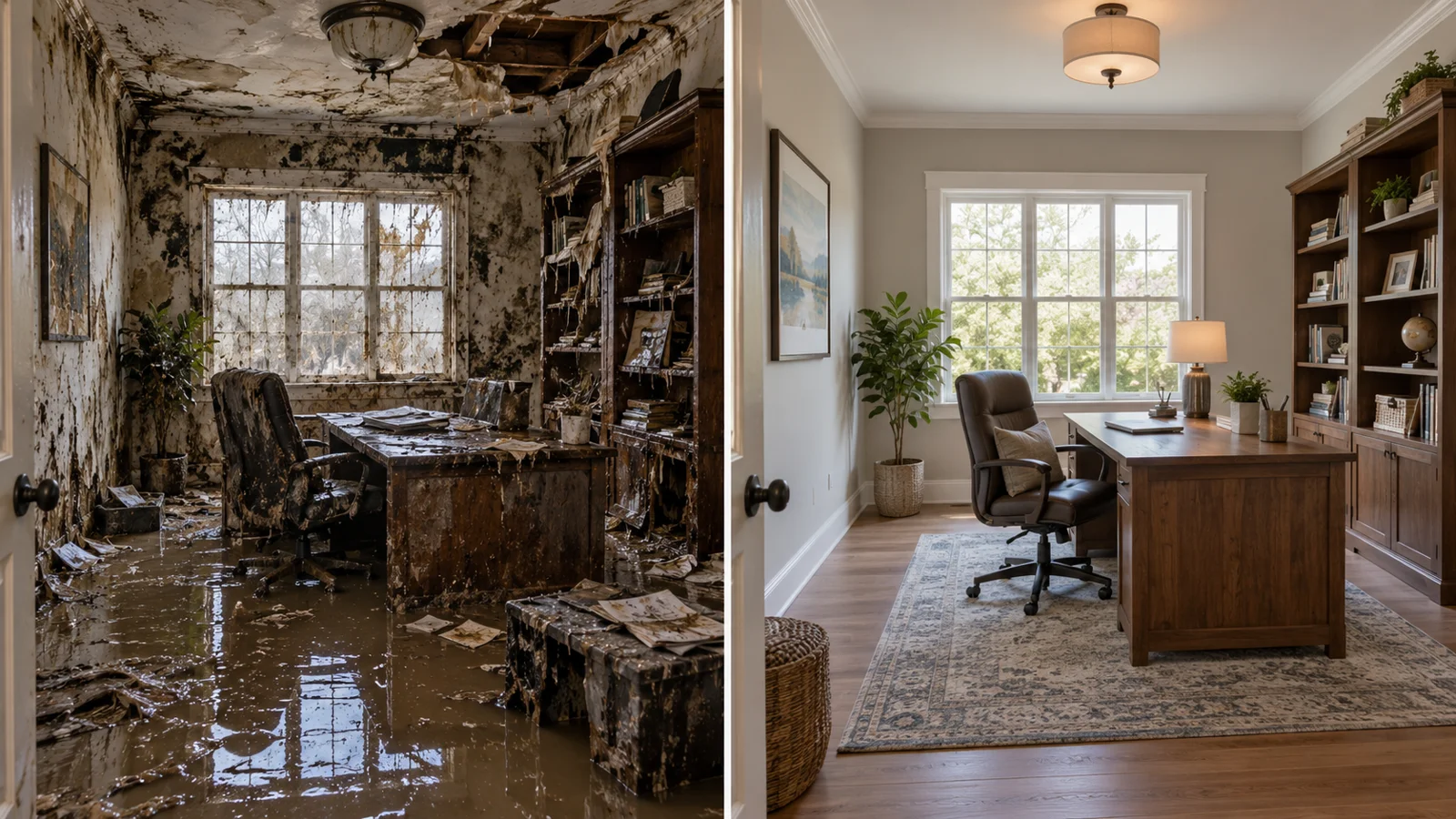
Water damage cleanup deals with the affected surfaces, residue, debris, and belongings left by a water event. It begins with the source history because cleaning a known plumbing leak and dealing with outside floodwater are different situations. Flood Cleanup Phoenix can be contacted to discuss what was wet and which cleanup decisions remain unresolved. This service guide focuses on organizing cleaning and contents assessment after water damage, while keeping drying, source repairs, and reconstruction visible as separate parts of the recovery.
Inventory what the water contacted
Start with rooms and surfaces, then list affected belongings. A simple record might identify tile, carpet, wall bases, shelving, rugs, and stored boxes without deciding in advance what can be saved. Record whether water came from outside, a fixture, or an unknown source. Photograph visible residue and changes from a safe location. The inventory is useful because a general statement such as everything got wet can hide meaningful differences between a cleanable hard surface, a porous item, and a damaged building material.
Source history guides handling
Cleanup methods should reflect the water event and the materials involved. Water that crossed an outdoor area or backed up through drainage should not be treated as an ordinary spill solely because it looks clear. Tell the provider about soil, debris, wastewater, or uncertainty in the source. Avoid mixing affected contents with items that stayed dry. The assessment should determine appropriate handling before cleaning products or airflow are introduced. This is a planning step, not an instruction to attempt contaminated-water cleanup without suitable assessment.
Distinguish residue from material damage
A visible mark might be residue on a surface, a change in the finish, or evidence of moisture beneath it. Cleaning can address some surface conditions without correcting swollen, softened, or delaminated material. Conversely, a stained item should not automatically be treated as a replacement decision before its construction and exposure are reviewed. Ask what each proposed task is intended to resolve. That explanation separates appearance improvement from drying or repair and helps avoid an ambiguous promise that everything will simply be cleaned.
Plan contents movement carefully
Wet items can obstruct access, but moving them creates another handling decision. Photograph their position, identify a designated holding area if advised, and avoid carrying potentially contaminated items through unaffected rooms. Dry belongings may sometimes be moved safely to improve access, but do not assume all items can be handled the same way. If valuable documents, electronics, or specialist items are affected, explain that early. They may need a different provider or assessment rather than being included casually in general room cleanup.
Odors call for a cause check
An odor after a water event may reflect remaining moisture, residue, or affected materials. Masking it with fragrance does not identify that cause. Describe when it appeared, where it is strongest, and whether it changes after the room is closed. Avoid making a diagnosis from smell alone. The provider should consider the water history and material condition alongside visible findings. Cleaning may be part of the response, but an unresolved wet assembly or damaged item can require attention beyond the exposed surface.
Price the cleaning scope explicitly
Cleanup costs may reflect affected square footage, the source, debris handling, contents, surface types, and disposal decisions. Ask whether a proposal includes cleaning only or also removal, drying, and repair. Item handling can be a separate part of the estimate, especially when the room contains many affected belongings. Company ranges have not been provided here, so the calculator uses your own planning rates. Compare proposed tasks and quantities before comparing totals, and ask how newly discovered damage would change the scope.
Review the area before normal use resumes
A cleaned room should still be considered in relation to any remaining moisture and material decisions. Ask what has been addressed, what remains excluded, and whether another inspection or drying stage is needed. Keep disposal records and photos with the cleanup description. If the original source remains unresolved, coordinate its repair rather than treating cleanup as prevention of a repeat event. For occupied properties, discuss which spaces remain restricted and how to avoid moving affected contents back before the relevant work is complete.
Questions about this cleanup situation
Does cleanup include repairing finishes?
Usually not. Cleanup removes residue and odors. Repairs and rebuilding are a separate scope, though we can help coordinate.
Can I keep belongings that look clean?
Non-porous items can often be cleaned. Porous items touched by contaminated water, like upholstery and mattresses, are usually discarded.
Why does the odor come back?
A returning odor usually means moisture remains in a material that was not dried or removed. Cleaning the surface alone does not fix the cause.
Should I buy cleaning chemicals before the visit?
No. The right product depends on the water source and the surface, and mixing household products can create hazards.
Does cleanup include repairing damaged finishes?
Not automatically. Cleaning, drying, material removal, and finish repairs can be separate tasks. Ask for a written scope explaining which of those are included. The label water damage cleanup does not by itself establish that a cabinet, floor, or wall will be rebuilt as part of the same price.
Can I keep every wet belonging if it looks clean?
Appearance alone cannot settle that decision. The item’s material, water source, exposure, and ability to be appropriately cleaned and dried matter. Describe affected belongings during the assessment and ask which require specialist review or disposal. Avoid representing a valuable item as recovered solely because its surface was wiped.
Should I buy cleaning chemicals before assessment?
First clarify the source and affected surfaces. A product that is appropriate for one surface may not be suitable for another, and chemicals do not replace source control or drying. Do not mix products or experiment in an unsafe space. Discuss the cleanup plan before applying a treatment that could change the material or obscure the damage.