
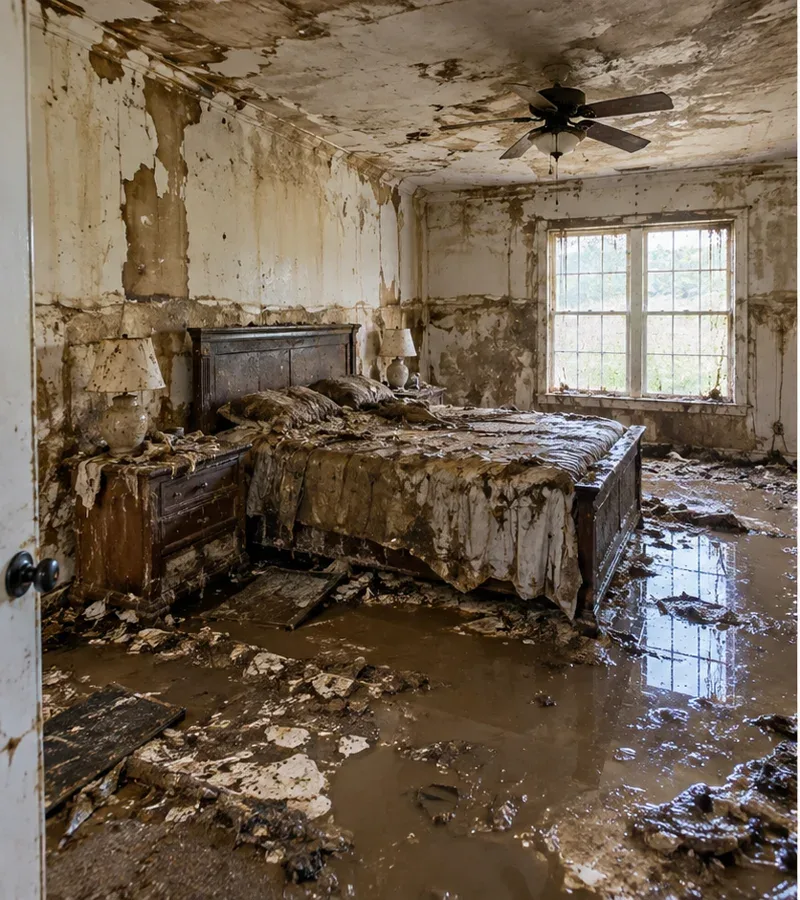
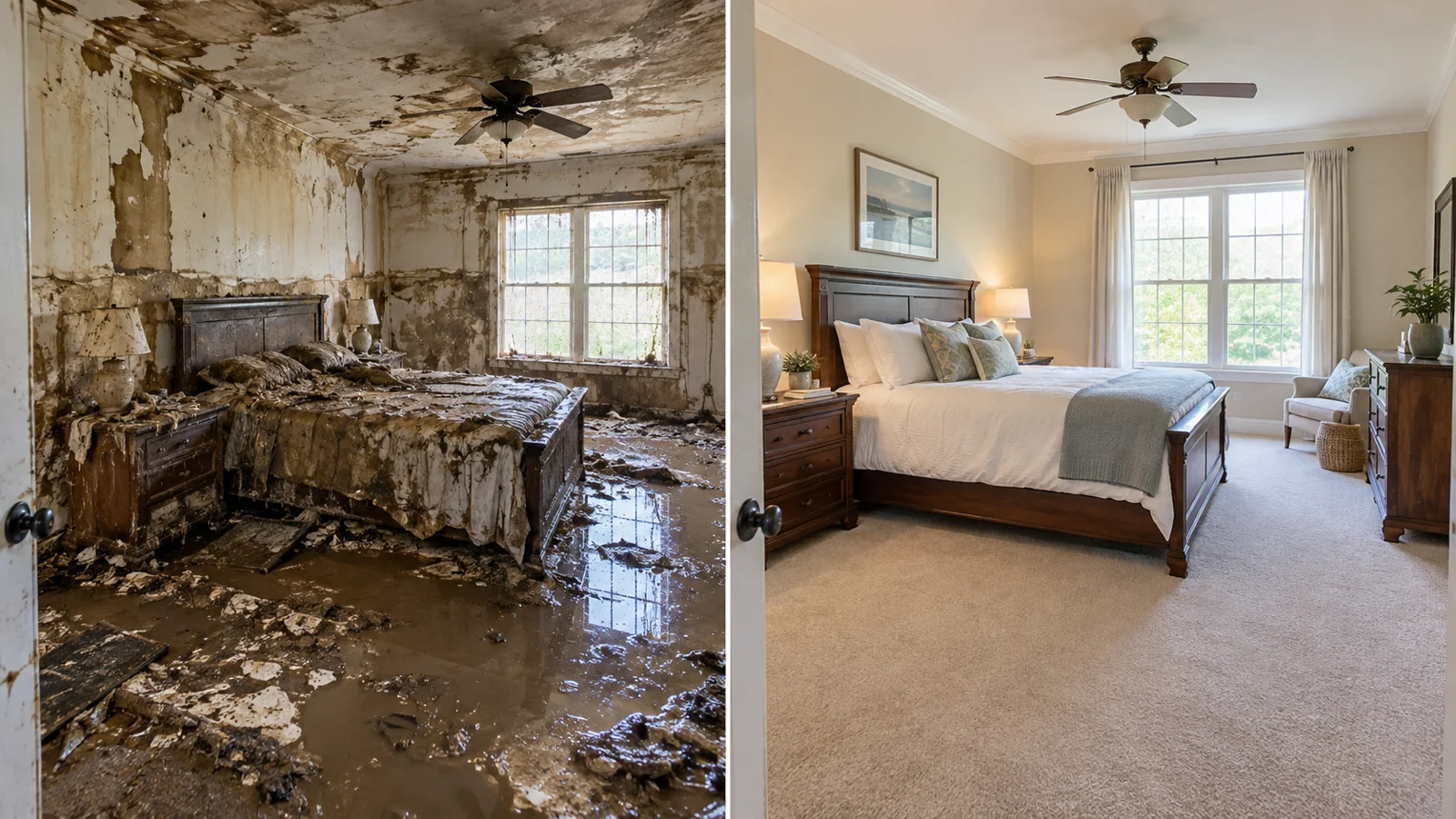
Water damage restoration concerns the condition of the building after water has reached its materials. A stain, swollen cabinet panel, or damaged floor edge can remain even after the visible water is removed. The goal of an assessment is to decide what can be dried and retained, what needs further investigation, and what may require replacement. Contact Flood Cleanup Phoenix with the history of the water event so cleanup, drying, and repair questions can be organized around the actual property.
Follow the damage beyond the original leak
A leak is an event; restoration is a set of decisions about its consequences. Record the source location, rooms affected, and visible changes in materials. A bathroom leak may show itself on a ceiling below, while water crossing a floor can reach trim or cabinets before the owner notices it. The damage map should follow that travel instead of ending at the broken fixture. Tell the assessor about stains or swelling away from the source, even if those surfaces currently feel dry.
Build a material-by-material assessment
Painted drywall, solid flooring, composite cabinetry, and carpet do not respond identically to water. The material, exposure history, contamination, and access all matter. A damaged finish may be repairable while the assembly behind it still needs investigation; an intact surface may conceal an affected layer. Ask for a scope that identifies each material rather than simply promising to restore the whole room. This makes removal, drying, cleaning, and repair decisions easier to review and helps prevent unrelated work from being grouped without explanation.
Distinguish salvage from appearance
A surface can look acceptable and still have an unresolved moisture issue. Conversely, a stained finish does not by itself establish that every underlying component must be replaced. Decisions should be based on condition and assessment, not a photograph alone. Avoid covering a stain, repainting a wall, or installing a replacement floor before the affected assembly has been reviewed. New finishes can hide the information needed to understand the original damage and may complicate later access if additional drying or removal is required.
Coordinate plumbing, cleanup, and repair
Several professionals may be involved in one recovery. A plumber addresses the failed pipe; restoration work assesses the affected interior; a repair contractor may rebuild materials after the condition is understood. Ask who is responsible for each stage and whether the source repair has been completed. Keep the written scopes separate enough to show what each provider will do. This is particularly useful when a proposed quote covers only drying and another covers reconstruction, because neither should be mistaken for a complete price for everything.
Keep the repair record understandable
Photographs, dates, moisture observations, invoices, and written scopes should tell a consistent story. Label the rooms and describe what changed after the water event. If a repair option is recommended, ask which finding supports that choice and which parts of the scope remain conditional. Keep originals of your records rather than relying only on messages between providers. An organized record helps you compare proposals for the same materials and makes it easier to explain the situation to a property manager or insurer without overstating the findings.
Ask what a restoration estimate includes
The word restoration can cover different combinations of work. Confirm whether the estimate includes assessment, extraction, drying, cleaning, disposal, finish repair, or reconstruction. Material availability and access may affect scheduling separately from the drying work. Pricing on this website is not a company quote, and the calculator uses visitor-entered rates. If you compare estimates, compare the tasks, quantities, and exclusions as well as the total. A lower number is not directly comparable when it covers fewer affected assemblies or leaves repair work outside the scope.
Review readiness before replacing finishes
Before reconstruction begins, ask what has been assessed and which conditions support closing the assembly. Discuss any lingering uncertainty, such as an inaccessible area or a source that has not been repaired. The review should concern the specific damaged materials, not merely whether the room smells better. Keep the final work description with the initial damage record. For an occupied property, also discuss which areas can be used and how remaining tasks will be scheduled without assuming that every room becomes available at once.
Questions about this cleanup situation
What is the difference between restoration and cleanup?
Cleanup removes water and residue. Restoration decides what can be saved and rebuilds what cannot, including drywall, flooring and finishes.
Can wet drywall be saved?
Sometimes. Clean-water drywall that was wet briefly can often be dried, while drywall that sat in water or was contaminated is usually replaced. Readings decide.
Will hardwood floors be saved?
It depends on exposure time and moisture. Quick drying can save some floors, while cupped or buckled boards may need replacement.
Do you handle the repairs too?
Ask during the first call which repairs are in scope. Some work may be done by separate trades, and your written scope should say so.
Is restoration the same as extracting water?
Extraction removes bulk water. Restoration considers the affected materials and the work needed afterward, which may include drying, cleaning, removal, and repairs. Some projects require only part of that sequence. A written property-specific scope is the best way to see what the proposed work actually covers.
Can wet drywall always be retained?
No single answer applies to all drywall. Condition, water source, exposure, and the assembly behind the surface influence the decision. Do not rely on paint appearance or touch alone. Ask how the material was evaluated and whether any concealed components need attention before finishes are repaired.
Will an insurer pay for all the work?
Coverage depends on the policy and circumstances, and this website does not determine it. Keep photographs and invoices and ask your insurer about the event and proposed scope. Do not treat a restoration recommendation as a promise of reimbursement or delay an urgent safety decision while seeking a coverage answer.