
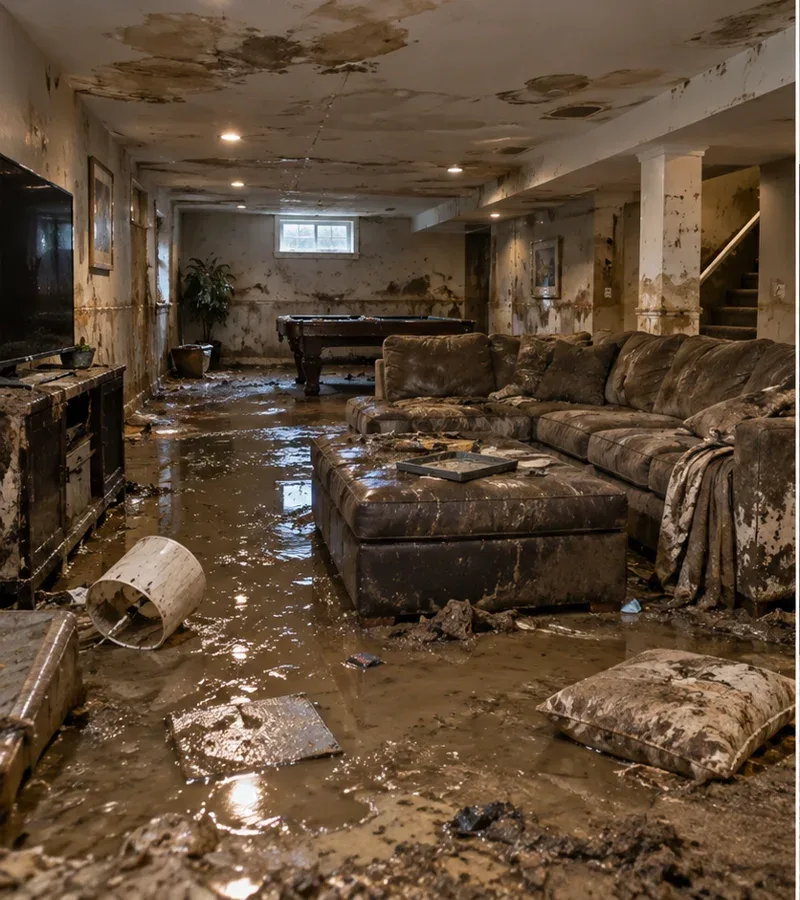
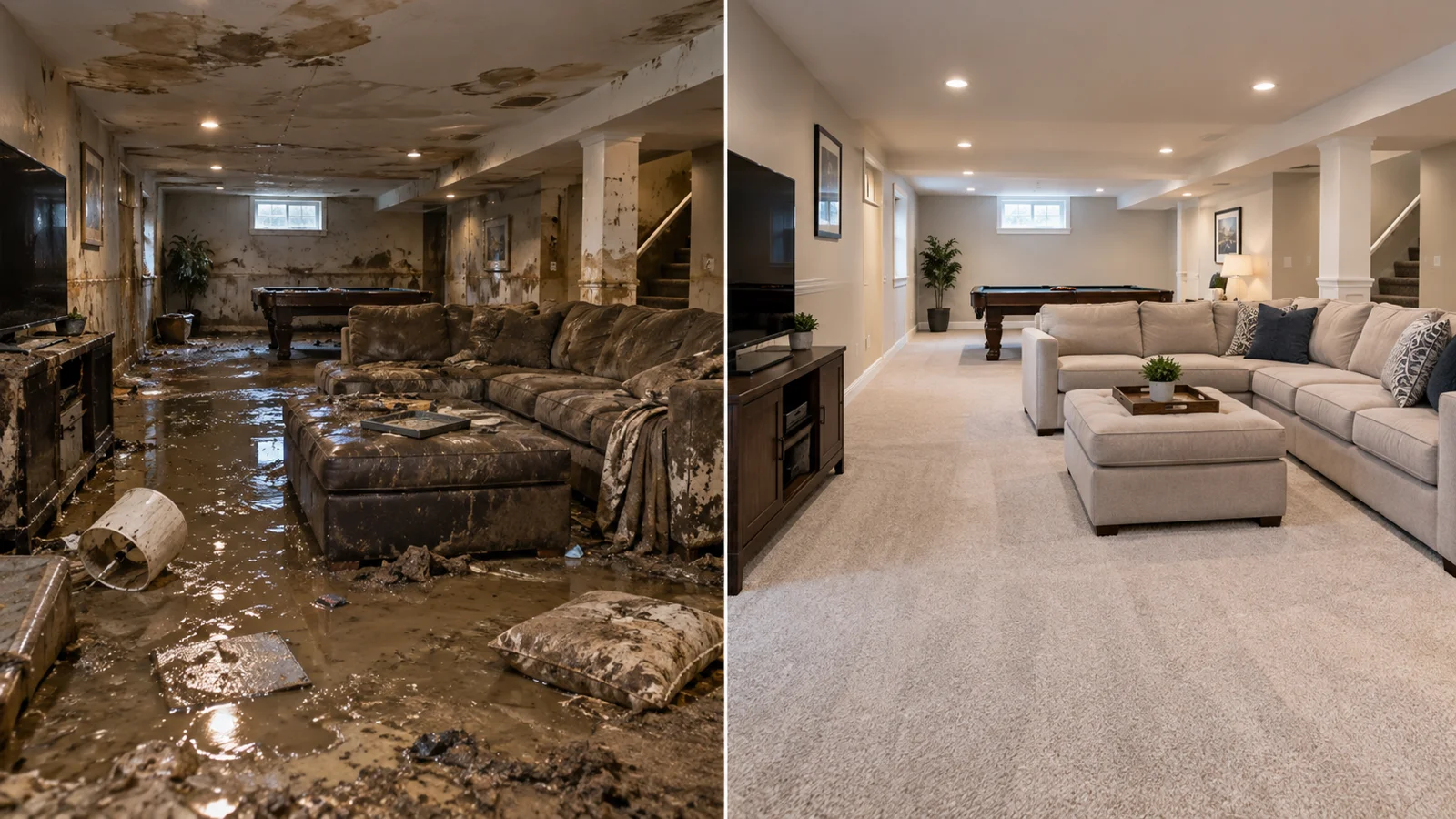
Discovering water damage after being away leaves an important question unanswered: how long have the materials been wet? In Surprise, Flood Cleanup Phoenix can help you discuss cleanup without pretending that discovery time is the same as the start of the leak. Record when the property was last checked, what you noticed on return and whether water is still entering. Call (480) 919-7058 to explain the affected rooms and access arrangements. A careful assessment can use that timeline alongside the condition of flooring, walls and contents to establish a practical restoration scope.
Build an honest timeline for a Surprise property
Maricopa County lists Surprise among the communities for which the Flood Control District performs floodplain management. Its official resources can help with address-specific map questions. Those resources do not reveal when an indoor supply line began leaking or how long a concealed wall stayed wet. For restoration, the event timeline is a separate piece of evidence.
Start with the last occasion someone saw the affected area dry. Then record the discovery date, any changes reported by a neighbor or property contact, and the time the source was stopped. Mark unknown details as unknown. Avoid choosing a convenient start time simply because a phone application, water bill or stain seems suggestive. Information from those sources can support an investigation, but it should not replace inspection of the actual materials.
Secure access without losing the initial condition
A property discovered wet after an absence may need a keyholder, manager or family contact to coordinate the visit. Decide who can provide entry and who can authorize cleanup decisions. Share gate instructions and the location of the affected rooms through an appropriate private channel. If the owner is elsewhere, arrange how photographs, measurements and proposed changes will be reviewed before unnecessary delays develop.
Before moving belongings, photograph the scene from safe dry positions. Record rooms with obvious water and rooms showing only staining, odor or warped finishes. Do not switch on wet equipment to see whether it still works. If part of the property presents electrical or structural uncertainty, keep it off limits and describe the condition. Opening the building for assessment should not mean treating every room as safe for normal use.
Look for patterns that suggest a wider footprint
When nobody saw water spreading, the inspection must reconstruct its path. A swollen cabinet edge, staining behind a bed or lifting floor seam may show that the event extended beyond the place with standing water. Closets and rooms seldom used during everyday occupancy can be missed during an initial walk-through. Include them in the list even if there is no obvious puddle.
A moisture map should distinguish current wet areas from historical discoloration and unrelated defects where possible. That takes material-specific inspection, not a single reading at the doorway. Comparing accessible affected assemblies with suitable dry references can help define the footprint. Ask the team to explain uncertain findings and the next step needed to resolve them, particularly where furniture or built-in storage prevents a complete inspection.
Let the water history guide cleanup decisions
An unknown exposure duration can affect decisions about porous finishes and contents. The original water source still matters, and water that has traveled through building materials should not be judged only by its appearance when discovered. Report plumbing work, recent appliance use and any evidence of outdoor entry. If a drain backup may be involved, say so before anyone handles affected belongings.
Cleaning and drying choices should follow the assessment rather than an automatic promise to save everything. Some items may be suitable for cleaning; others may need removal because of their condition or the nature of contact. Request the reasoning in understandable terms. This is especially useful when the owner remembers the room as undamaged but the inspection identifies hidden deterioration that was not visible during the first visit.
Use monitored drying rather than a calendar guess
Drying an unattended property calls for defined monitoring arrangements. Equipment cannot simply be placed and forgotten because the owner is traveling. Discuss who will provide access for follow-up checks, who will receive updates and how unexpected readings or power interruptions will be communicated. A drying plan should identify the areas being monitored and the material targets used to judge progress.
A hypothetical example is a supply leak discovered beneath a bathroom vanity after a trip. The exposed tile may appear nearly dry while the vanity base and adjoining wall remain affected. Monitoring those assemblies would answer a different question from checking room humidity alone. The example demonstrates why an unknown start date does not justify an arbitrary drying duration; the relevant materials need their own evidence of progress.
Inventory contents when nobody witnessed the leak
Personal property may have been wet, dried partially and remained in place before the discovery. Look beyond obvious wetness when preparing an inventory. Note stained carton bottoms, altered furniture legs, damp textiles and items stored against an affected wall. Keep the description factual and include photographs showing the item's location before relocation when that can be done safely.
For an owner coordinating remotely, a numbered list can connect each item to its room and proposed handling decision. Avoid mixing damp belongings into clean storage while waiting for instructions. Discuss valuable papers, electronics and irreplaceable items individually rather than assuming a general furniture-cleaning process will suit them. Cleanup planning should establish what requires specialist attention and what can be handled within the agreed restoration scope.
Ask for a scope that addresses uncertainty
A Surprise cleanup estimate should explain what is known now and where access is incomplete. Hidden moisture behind a built-in or beneath flooring may require a staged inspection. Ask which tasks are included initially, what would trigger a change and how approval will be obtained if the owner is not present. This prevents a vague allowance from becoming a surprise about demolition or contents handling.
The amount of wet material, condition of finishes, contamination considerations and monitoring needs can all influence cost. An uncertain event date alone cannot produce a reliable price. Request separate descriptions for extraction, cleaning, drying, removal and later reconstruction. Keep the records together for your own decisions. Coverage and reimbursement questions belong with the relevant insurer or representative, who can evaluate the specific policy and circumstances.
Make the return to occupancy deliberate
If someone plans to return before all work is finished, explain which rooms and utilities they need. Equipment noise, temporary room closures, moved contents and unfinished openings may affect daily routines. The practical plan should account for visitors, pets and people who need an unobstructed route. Do not assume remote approval of cleanup automatically settles whether the space can be occupied normally.
At handover, ask for a summary of monitored areas, unresolved repairs and belongings still awaiting a decision. Confirm whether the original leak has been repaired by the appropriate professional and whether the restoration work has reached its stated objectives. Future checks can be arranged around the actual source, such as inspecting a repaired connection. Call Flood Cleanup Phoenix at (480) 919-7058 with the Surprise address and the best available timeline to begin that discussion.