
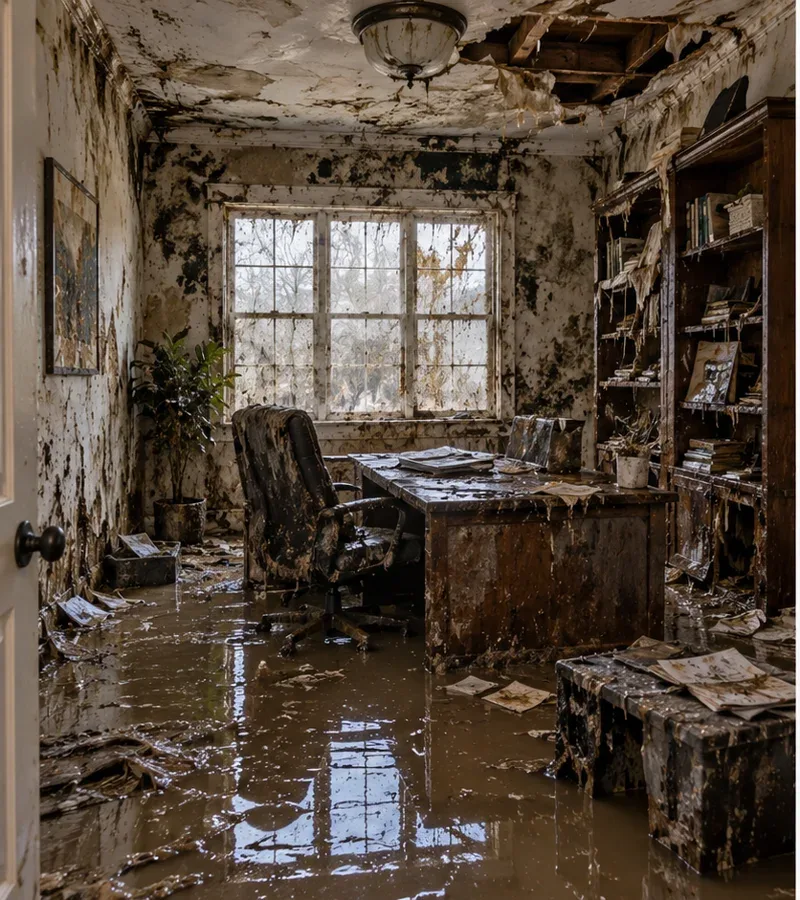
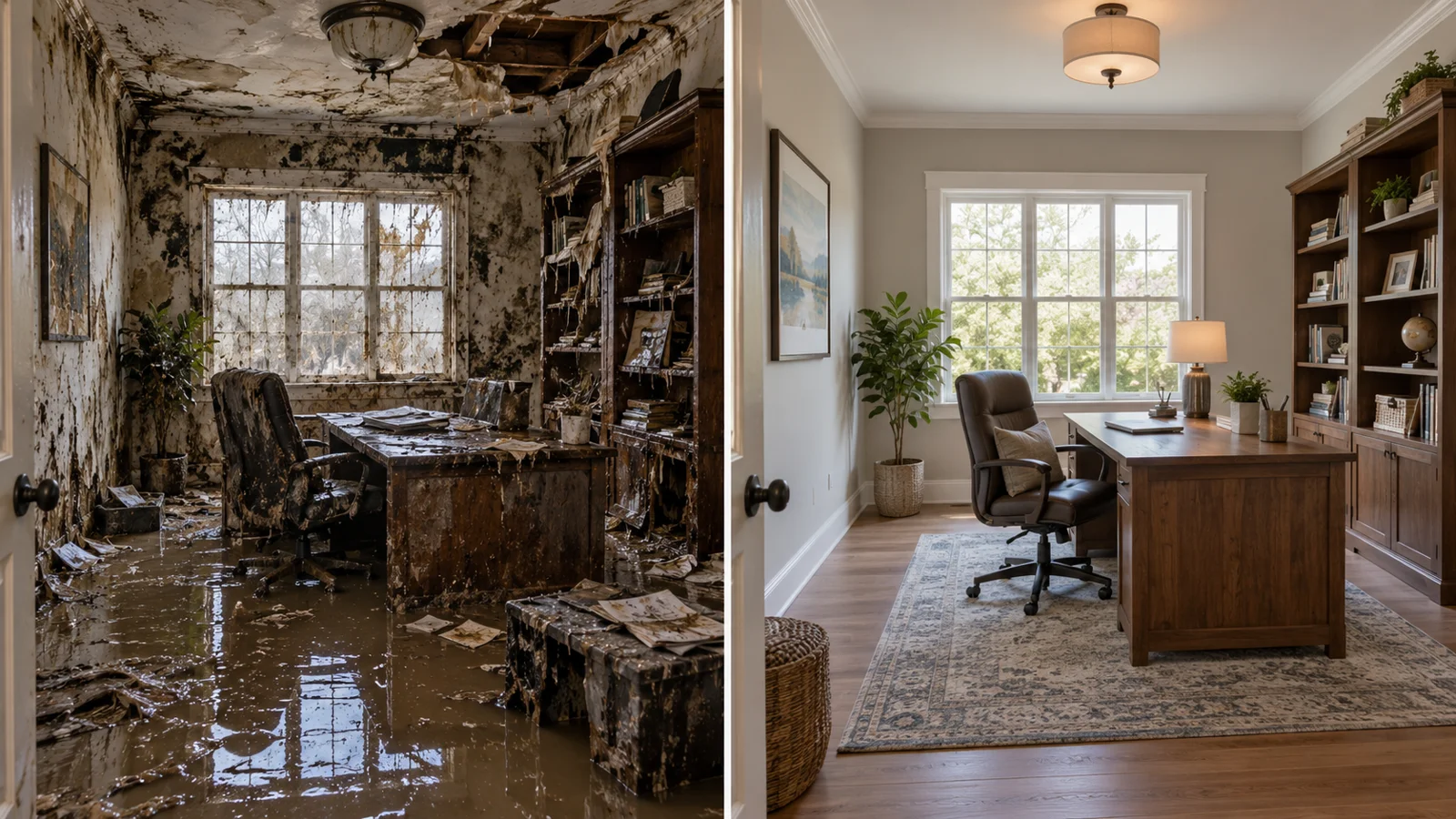
A concealed cabinet leak in Sun City West may first appear as a damp toe kick, a swollen lower panel, or water reaching the floor outside the cabinet. The visible symptom can be much smaller than the area needing assessment. Flood Cleanup Phoenix can discuss the affected space and help identify what information should accompany a site visit. Start with the cabinet location, nearby plumbing or appliances, and the time the change was first noticed. The cleanup goal is to reach the wet assembly while making clear, material-specific decisions about what can remain and what needs repair.
Use local mapping for the property, not the cabinet diagnosis
Maricopa County offers floodplain information and address-based mapping resources for unincorporated county areas. They are useful for questions about a Sun City West property's designated outdoor exposure. They do not explain moisture inside a kitchen or bathroom cabinet, and a regional drainage project is not evidence of a particular home's damage history. Provide a complete address and explain the affected building space when discussing cleanup. Indoor cabinetry can be wet from a supply line, drain fitting, appliance connection, or water entering from elsewhere. The site assessment should trace that source directly. Keeping the official mapping inquiry separate from the cabinet inspection prevents a broad geographic description from replacing the details needed to plan actual work.
Notice changes around the cabinet without disturbing utilities
Useful observations include the first wet shelf, swollen panel edges, damp trim, stained wall material, and water appearing beyond the cabinet footprint. Photograph these conditions from a safe position before moving contents if possible. Describe whether the leak seems linked to using a fixture or appliance, but avoid testing an uncertain connection simply to reproduce the problem. Stored products may hide water and make the source difficult to see. If electrical devices or outlets are involved, keep clear and request appropriate evaluation. Do not assume an odor identifies the source or confirms a particular condition. The observations establish where investigation should begin; source repair and moisture assessment establish what the cleanup needs to address.
Emptying storage can reveal the extent of the problem
Cabinets often hold items directly against back panels and lower shelves. Once access is arranged safely, those belongings may need to be moved and evaluated separately from the cabinet structure. Ask where they will be placed so wet packaging does not end up on an unaffected floor. Label items by their original cabinet or shelf if several spaces are involved. A hypothetical example is a small under-sink leak that wets cardboard packaging while the adjacent hard container remains largely unaffected. That example illustrates different material decisions and is not a claim about a Sun City West job. A basic contents list helps explain cleaning, removal, and replacement choices without treating every stored item as identical.
The visible cabinet finish is only one layer
A cabinet can include a toe-kick space, backing, lower structural panels, adjacent wall material, and flooring extending beneath it. Those elements may be wet to different degrees. Ask how the evaluator will check the concealed areas and what access is needed. Removing a decorative panel does not automatically expose the whole assembly. Moisture may also have traveled under a partition or into the floor beyond the cabinet. A sound assessment combines the water path, material condition, and readings at relevant locations. Selective access should have a defined purpose, and any proposed removal should identify which damaged or inaccessible layer makes it necessary. This avoids both unexplained demolition and premature closure of wet construction.
Source repair and cabinet cleanup need coordinated sequencing
Repairing a fitting or supply connection is important, but it does not dry the surrounding cabinet or wall. Conversely, drying equipment cannot correct a plumbing source that continues releasing water. Ask which specialist will evaluate the source, what temporary controls are in place, and how completed repairs will be verified. If water reappears after the initial repair, report it before finishes are reinstalled. An intermittent leak may need investigation under appropriate operating conditions by the repair professional. The cleanup scope should state its responsibilities clearly and identify work handled separately. Keeping the source information and mitigation records together gives the cabinet repairer a useful history and reduces the risk of concealing moisture beneath newly installed components.
Drying requires access to the affected assembly
Enclosed cabinet spaces can restrict air movement. Equipment outside the cabinet may not reach the wet backing or floor beneath it unless an appropriate access plan is used. Discuss the intended airflow route and the areas where repeated readings will be taken. The plan may change as access reveals additional moisture, so ask how those changes will be documented. Do not reinstall doors, storage containers, or trim merely because the exterior looks improved. Surface appearance and material moisture are related observations, but they are not interchangeable. The drying decision should reflect the assemblies that actually became wet. Ask what evidence shows readiness for repair, and whether any inaccessible or damaged layers still require a separate decision.
Protect daily use of the kitchen or bathroom
Cabinet work can interfere with cooking, bathing, or access to household supplies. Discuss the practical boundary of the work area and whether unaffected parts of the room can remain usable under the current conditions. A sink may be out of service because of repair work even when the surrounding floor is accessible. Equipment cords and temporary openings also change room use. Explain any mobility needs and identify essential items that should be retrieved before the space becomes a work zone. Keep pets and children clear of opened cabinetry and stored debris. Do not relocate operating drying equipment to make more counter or walking space without coordinating it. Household convenience should be planned alongside the drying layout rather than interrupting it unexpectedly.
Read the estimate as a set of material decisions
A cabinet-related cleanup estimate should identify water removal where needed, cleaning, contents handling, selective removal, drying equipment, monitoring, and disposal. Cabinet reconstruction, plumbing work, and finish replacement may be separate. Ask which parts are included and how hidden damage will be communicated if the assembly is opened. A small visible stain does not guarantee a small scope, while an entire cabinet replacement should still have a stated basis. Photographs, material notes, and readings make the proposed work easier to understand. At handoff, request the documented drying status and remaining repair needs. Before belongings return, confirm that the source has been addressed and the cabinet assembly is ready for its intended use rather than simply looking better.