
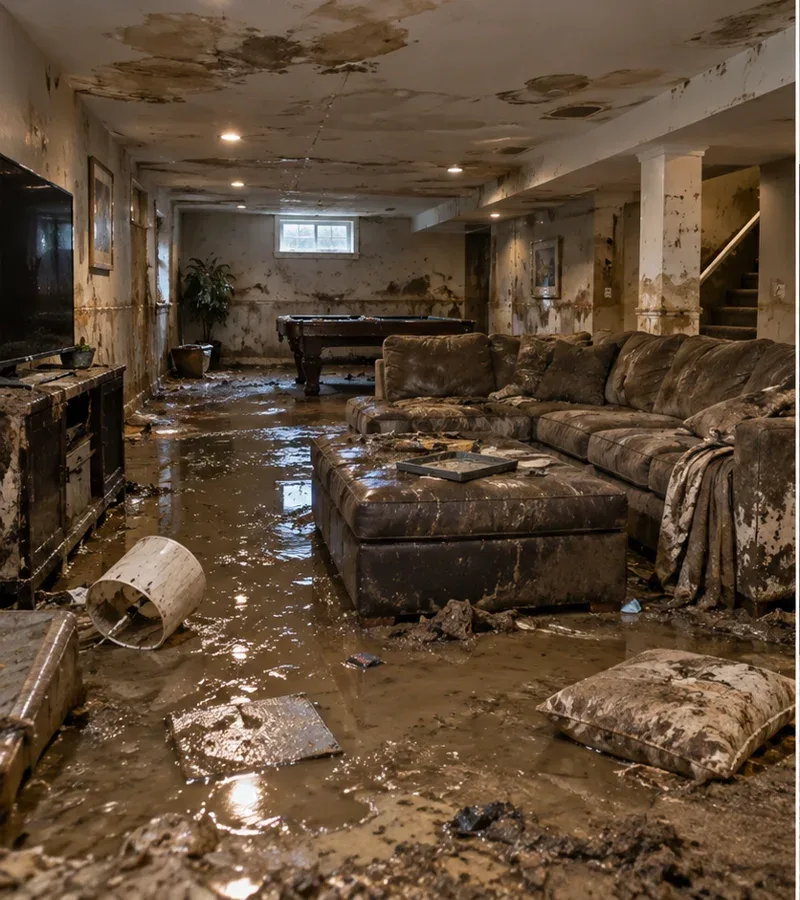
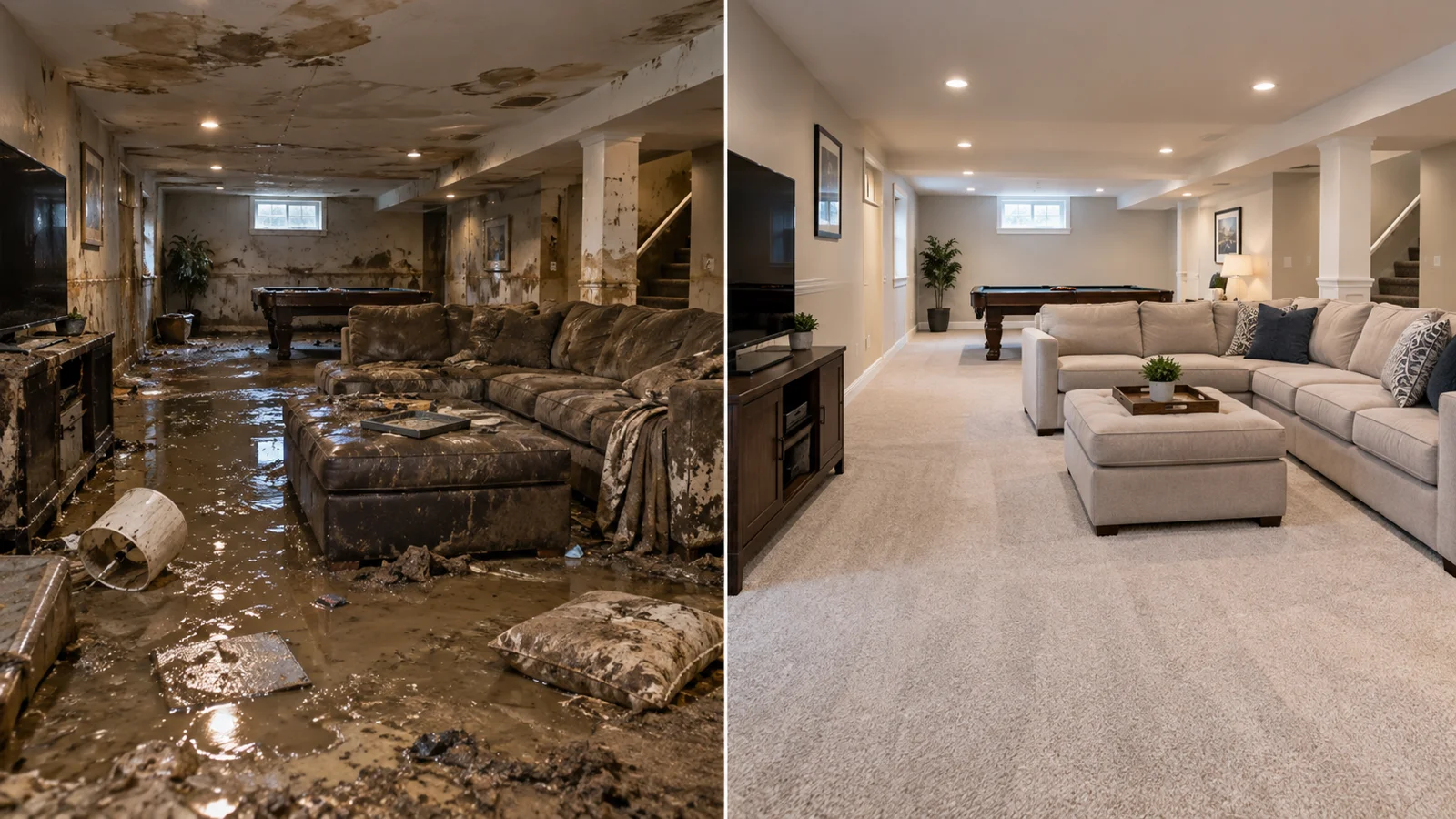
Finding water damage at an unoccupied Sun City property raises questions beyond extraction: who can provide entry, how long the water has been present, and which decisions can be made while the owner is away. Flood Cleanup Phoenix can discuss a site assessment using a verified address and an authorized local contact. An organized handoff helps preserve evidence without delaying the practical work. The objective is to discover the actual source and extent, establish safe access, and document drying progress clearly enough that an absent owner can understand what is happening.
Address-specific information matters more than a regional label
Maricopa County provides official floodplain information for unincorporated county areas, including resources for checking a particular location. Use the property's full address when asking about mapped exposure. A Sun City mailing description or reference to regional drainage planning does not determine the current condition of a home. The first cleanup questions remain what released the water and which materials became wet. An indoor supply leak can occur independently of outdoor flood mapping, while stormwater entry needs its own site assessment. Tell the coordinator whether the property is vacant, temporarily unoccupied, or awaiting a resident's return. Those details establish the access and communication requirements without making assumptions about the residents or the type of building.
Build a timeline without inventing a discovery time
When no one witnessed the release, separate what is known from what is estimated. Record the last confirmed dry visit, the time damage was found, and any intervening information such as a neighbor's observation or a maintenance visit. Do not present the discovery time as the start of the leak. Duration affects assessment because water may have reached concealed spaces before anyone saw it. A hypothetical situation is a home found wet after several days away, with water visible around a bathroom and adjoining closet. The entire affected boundary still needs investigation even if the obvious source is small. This is a planning example, not a record of an actual Sun City property or a promised outcome.
Arrange entry and establish a clear decision contact
Explain how the property can be opened, which entrances may be used, and who is authorized to coordinate work. A local keyholder may provide access without being the person who approves changes, so clarify those roles. Share a reliable contact method and discuss how photos, findings, and scope updates will be delivered. Avoid scattering instructions among several family members or property contacts without a common record. If an affected room remains locked, identify it before the visit rather than assuming the first accessible area represents the whole building. Access arrangements should also cover follow-up monitoring, not just the initial inspection. The ability to return and check progress is part of a complete drying plan.
Find the source before restoring ordinary utility use
An unoccupied building may have an active leak, an already stopped overflow, or evidence of more than one event. Report whether anyone has shut off water or performed a repair, and retain that information in the project record. Wet electrical components and utility spaces require appropriate evaluation; do not ask an untrained keyholder to test equipment while standing near water. Source repair and cleanup may involve different specialists. Ask which tasks are included in the mitigation scope and which need separate coordination. The absence of visible dripping on arrival does not prove the cause is resolved. A room should not be restored around a hidden or intermittent release that can wet the same materials again.
Inspect low storage and rooms beyond the discovery point
Unknown exposure time makes a room-by-room assessment especially valuable. Water can move beneath flooring, reach base trim, or affect a closet that was not opened when the damage was discovered. Low shelves, boxes, and furniture backs may hide wet surfaces. Request a documented affected-room list and ask which adjoining spaces were checked. Moisture observations should distinguish confirmed wet materials from places being monitored because they connect to the suspected path. Selective removal may be needed to reach a concealed assembly, but the reason and extent should be explained. This structure lets an absent owner understand why a cleanup involves more than the first puddle shown in a photograph.
Use records that show drying progress over time
A photograph of a dry-looking room is useful, but it is not a complete drying record. Ask how repeated measurements will be taken and how the results will be communicated. Equipment placement, material changes, and accessible measurement locations should be described plainly. If a floor layer or wall section is opened, the update should identify the wet assembly that required access. Do not judge completion solely by the number of days equipment has run. Different materials and hidden spaces can require different progress checks. A written handoff should explain what has been assessed as ready for the next stage and what remains unresolved. Consistent records make later repair planning easier than a series of informal assurances.
Manage contents without losing track of ownership decisions
An absent owner may need to make choices about furniture, textiles, documents, and stored belongings from photographs. A basic inventory with room labels helps make those decisions understandable. Ask how wet items will be separated from dry ones and where evaluated belongings will be staged. Do not request that everything be discarded simply because the owner cannot visit; material condition and exposure should inform the decision. Conversely, storing unassessed wet boxes in a dry bedroom can hide damage and create additional work. Valuable or delicate items may need specialist consideration. Keep removal decisions and item photos together so the final record explains what happened without relying on a keyholder's memory of a busy visit.
Plan the return to the property and remaining repairs
Before a resident returns, discuss access routes, equipment still operating, utility limitations, and rooms that remain under assessment. A cleared floor does not necessarily mean normal use can resume everywhere. Ask for a scope that separates extraction, cleaning, removal, drying, monitoring, disposal, and reconstruction where applicable. An estimate based only on room area can miss concealed materials and contents handling. Clarify how discoveries will change the scope and who will approve those changes. At completion, collect the source-repair record, affected-area documentation, drying information, and list of remaining repair tasks. These records give the returning resident or repair contractor a practical starting point and reduce the chance of closing a damp assembly behind a new finish.