
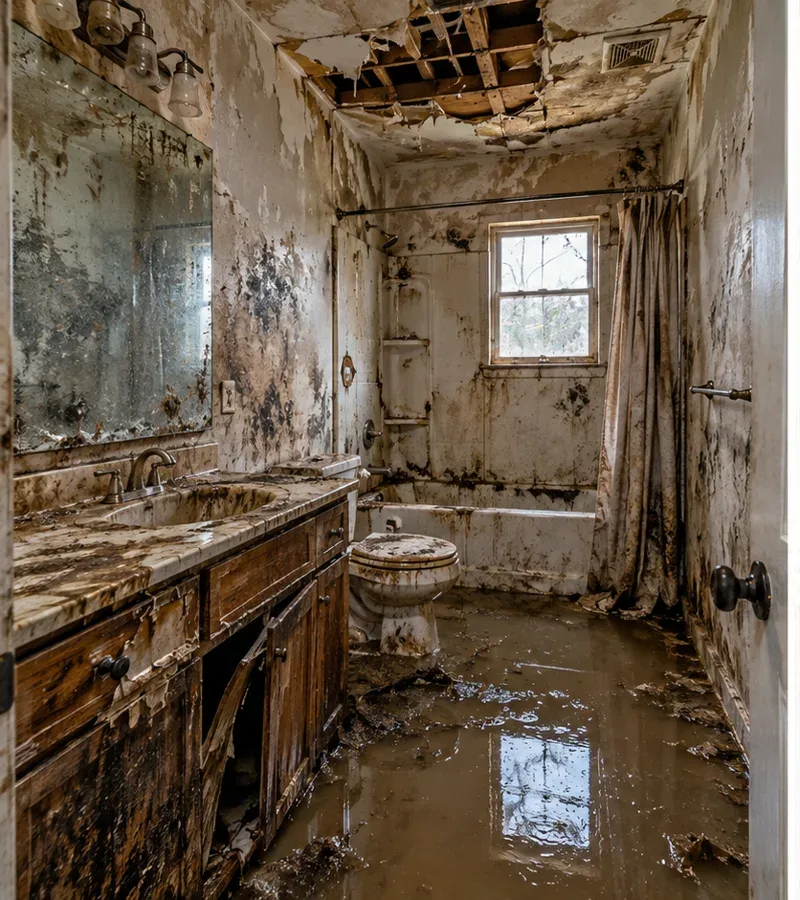
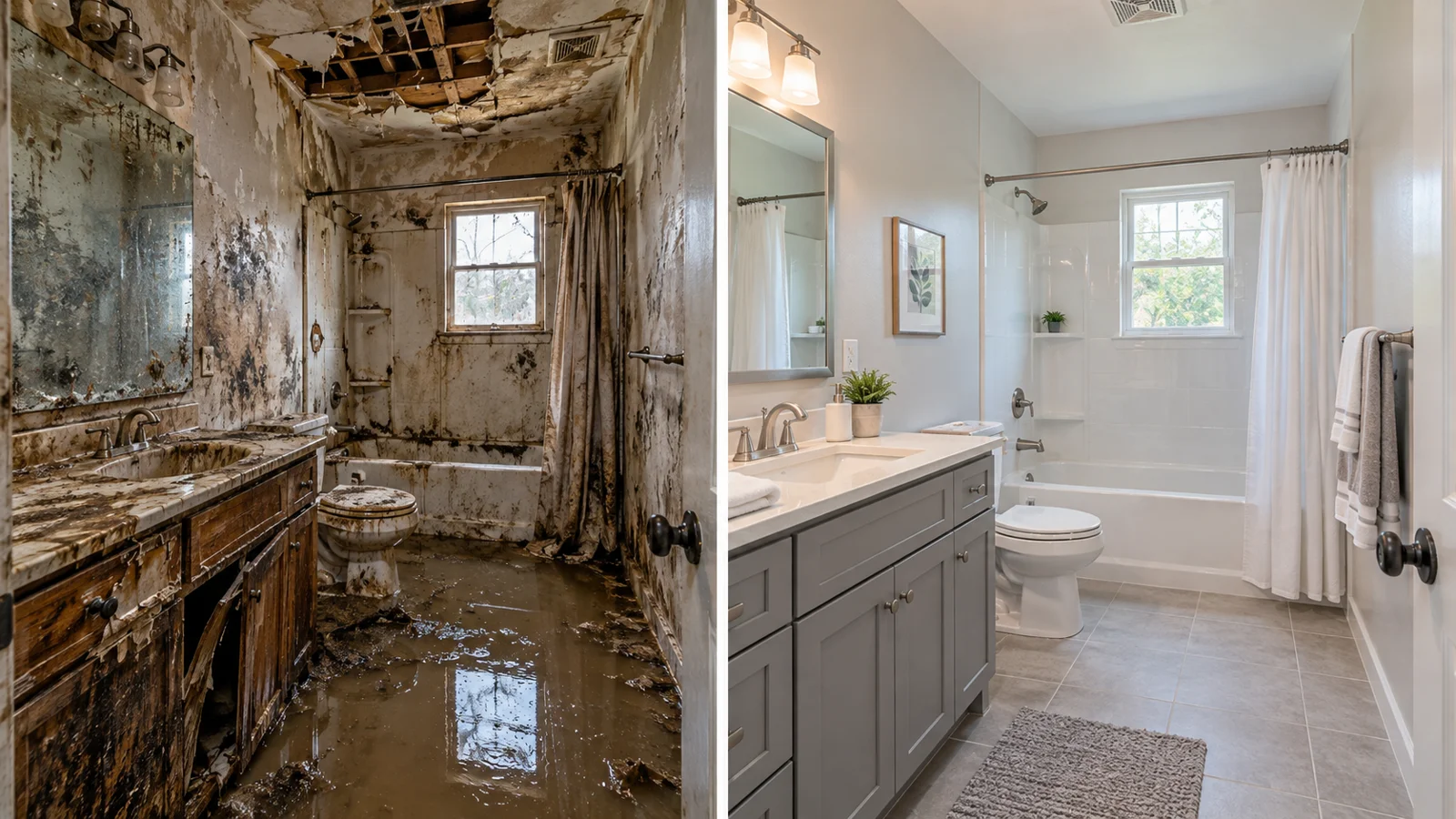
Water near a utility room deserves attention beyond the puddle itself. A leaking supply line, overflowing appliance or water entering from outside can interrupt access to equipment while also soaking the materials around it. Flood Cleanup Phoenix helps Goodyear property owners discuss extraction, cleanup and structural drying with the source and layout in mind. Call (480) 919-7058 with the address, the equipment nearby and the rooms affected. The most useful starting point is a clear description of what changed, which paths remain accessible and whether the water source has been stopped.
A Goodyear address needs its own assessment
Maricopa County's floodplain information directory identifies Goodyear as a community that conducts its own floodplain management. For mapped floodplain questions, use the city contact listed in that official directory and the precise street address. That process serves a different purpose from inspecting water already inside a building. A property can need cleanup after a pipe failure regardless of how its parcel appears on a floodplain map.
When discussing a visit, clarify whether the affected utility area is inside the home, in a garage, in a detached building or part of a commercial space. Give the actual access point rather than only the postal location. Those details help establish the route to the damage and avoid assumptions about neighboring properties or the condition of an entire community.
Keep equipment access separate from water removal
A utility room may hold a water heater, plumbing controls, laundry equipment or stored household materials. Water around those items can create several separate tasks: controlling the leak, checking equipment safety, removing standing water and drying the building. Cleanup work does not establish that an appliance or electrical component is ready to operate again. An appropriate repair professional may need to assess that equipment independently.
If reaching a shutoff would require crossing water near powered equipment, describe the situation by phone instead of entering the room. Keep other occupants away from the affected route. From a dry location, note any appliance alarms, flowing water or ceiling changes. Do not disconnect equipment or remove protective panels just to make a cleanup inspection easier; safe access comes before speed.
Follow the moisture beyond the machine
An equipment leak often appears most obvious immediately beside the appliance. The inspection should also consider the wall behind it, the doorway, adjoining cabinets and any neighboring room sharing that wall. Water can pass beneath a threshold or flooring edge and leave a larger affected area than the visible puddle suggests. Boxes leaning against a wall can hide damp finishes, while a floor mat can conceal the first evidence of a recurring leak.
A useful moisture record identifies individual materials and locations. A reading at a wall base is different from a reading in carpet padding or a cabinet side. Measurements should be interpreted with the assembly in mind and compared with suitable unaffected areas. This gives the drying plan a reason for each inspection point rather than treating the whole utility room as one uniform surface.
Extract water while protecting the work route
Once the source and safety conditions are addressed, extraction removes accessible liquid water. The path used for equipment matters in a cramped utility area. Hoses, power leads and furniture movement should be planned so that occupants can avoid the wet zone and technicians can reach the places needing attention. A clear doorway also helps prevent clean contents from being carried through a contaminated area.
For a hypothetical laundry leak, water might cover the utility floor and extend under the adjacent hallway carpet. Extracting only the room would leave the hallway assembly unresolved. A property-specific plan would inspect that transition, decide whether padding or other materials can remain, and record the work performed in both areas. This example illustrates scope; it is not a claim about a completed Goodyear job.
Dry the enclosure, not just its open floor
Drying a utility space requires attention to the enclosure around equipment. Air movement may not reach the wall behind a fixed appliance or the underside of a cabinet simply because a fan is operating nearby. The team should identify which surfaces can be accessed without compromising equipment connections and whether any selective removal is needed to expose a wet assembly. Decisions should follow observed condition, water source and material construction.
Ask how drying progress will be checked and which readings will support completion. A room that looks dry can still contain moisture beneath resilient flooring or behind trim. Conversely, removal should not be assumed necessary for every damp surface. The goal is a justified plan that can be adjusted as measured conditions change, with clear notes explaining any additional work.
Sort storage before moving everything elsewhere
Utility-room contents are often stored close to the floor: detergents, tools, cardboard cartons, spare filters and household supplies. Identify what actually contacted water before relocating it. A clean upper shelf and a saturated box on the floor should not automatically receive the same treatment. Photograph labels and packaging where practical, and separate dry items from uncertain or wet belongings without blocking access to the room.
Tell the cleanup team if the storage includes items that require special handling. Avoid opening unidentified containers or placing wet materials next to clean belongings. Shelving may need to be moved for wall inspection, but that movement should be documented so the original moisture pattern is not lost. A contents list also helps explain why labor can differ between two rooms with similar floor dimensions.
Understand the scope behind a Goodyear estimate
The cost of cleanup is shaped by more than standing-water depth. The quote should explain the affected materials, extraction area, equipment needs, monitoring visits and any removal or disposal. A utility room with fixed equipment and dense storage can require more access work than an open room of the same size. The distance between the entry and the damaged area can also influence setup and contents handling.
Request a distinction between drying services and separate plumbing, appliance or finish repairs. If new damage is discovered behind a cabinet, ask for documentation before authorizing a change in scope. Keep photographs and work records for your own reference, and discuss any reimbursement questions directly with your insurance representative. A restoration estimate describes work; it does not establish coverage or guarantee what another party will pay.
Plan daily use while the utility area dries
Residents may need laundry access, hot water or a route through the garage while restoration equipment is operating. Explain those needs early so the work plan can address practical access. A technician can discuss where drying equipment will sit and which zones should remain undisturbed. Occupancy arrangements depend on the actual conditions, including the source of water and any unresolved equipment hazards.
Before final cleanup is considered complete, ask what remains to be repaired and what has been verified. Record which rooms were monitored, whether stored items need further attention and who will reconnect or test affected equipment. Keep the explanation in writing when possible. For Goodyear assistance, call Flood Cleanup Phoenix at (480) 919-7058 and describe the utility-room layout along with the water problem; that information makes the conversation more useful.