
24/7 emergency water response · Phoenix & surrounding areasSpeak with a specialist: (480) 919-7058
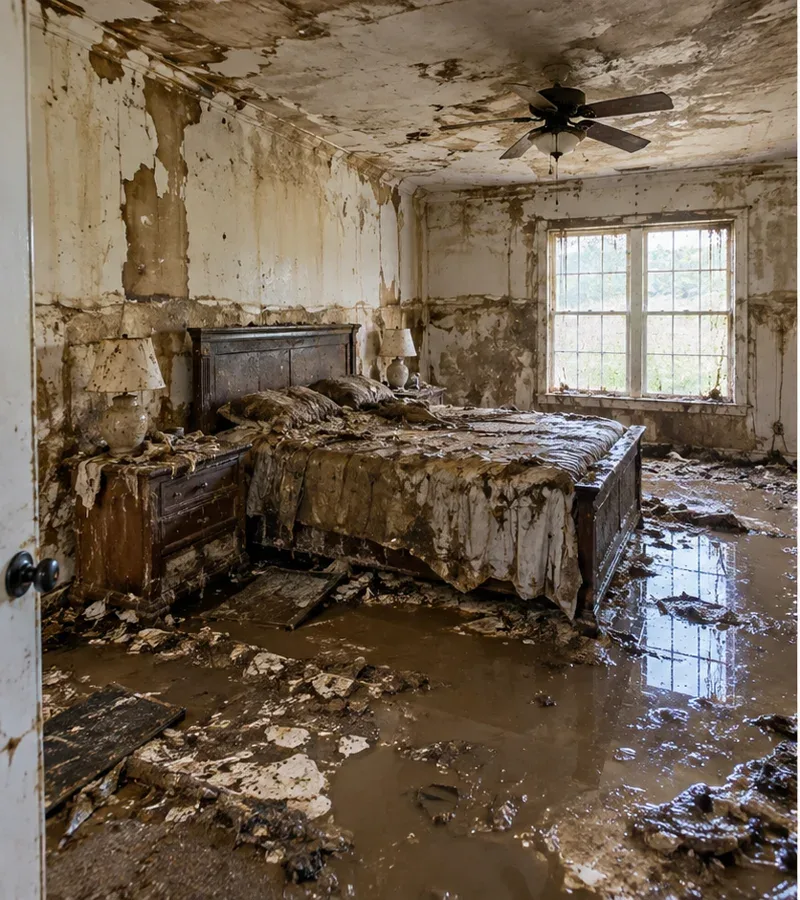
Illustrative interior affected by water damage

Queen Creek, Arizona · Maricopa County

Flood Cleanup in Queen Creek, AZ

24/7 flood water removal, drying and cleanup for Queen Creek homes and businesses, from Queen Creek Station area to Queen Creek Town Center.

  • 24/7 emergency calls
  • Serving Queen Creek
  • Written scope before work
  • Licensed & Insured
  • Affordable Pricing

The short answer

What is flood cleanup
in Queen Creek?

Queen Creek is growing fast, with newer slab homes, large rural lots and horse properties. Flood cleanup here means removing the water from the home, checking cabinets and laundry areas, drying the structure and, for larger lots, planning access and outbuildings. We also ask about distance because Queen Creek is farther out.

Call if you see

  • A laundry room overflow spreading into hallways
  • Storm runoff reaching a new-build slab home
  • Water in a barn, shop or outbuilding
  • A leak on a large rural lot
Call now · (480) 919-7058

What we provide

Flood & water damage restoration services
in Queen Creek

Every job starts with a call. We will confirm which of these fit your property.

  • Flood CleanupFrom standing water to a clear recovery plan.
  • Flood Damage RestorationA plan for the materials water leaves behind.
  • Emergency Flood Water ExtractionRemove standing water before it spreads further.
  • Flood Water RemovalA practical first step for accessible pooled water.
  • Flood Damage CleanupClean affected surfaces and review what can be kept.
  • Structural DryingAddress moisture you cannot see from the doorway.
  • Storm & Monsoon Flood CleanupRecover after rainwater crosses the property boundary.
  • Burst Pipe CleanupContain an indoor leak and assess the rooms it reached.
  • Sewage Backup CleanupKeep people away from contaminated water.
  • Emergency Flood CleanupMake the next decision clear when damage is still unfolding.

How we work

How flood cleanup works
in Queen Creek

Six steps, from the first call to the final moisture check.

01

Call and describe it

Tell us the address, the water source, how deep it is and any hazards.

02

Safety and source check

We review electrical, access and contamination risks before any work starts.

03

Water removal

Standing water is removed so floors, edges and thresholds can be inspected.

04

Moisture mapping

Readings show what is still wet beyond the visible area, including walls and subfloor.

05

Drying and cleaning

Airflow and humidity control dry the structure while surfaces are cleaned and sanitized.

06

Final moisture check

Readings are reviewed and the next step is explained before repairs begin.

Coverage & response

How we serve
Queen Creek

Queen Creek is farther from our Phoenix base. Call with your address and we will confirm availability, expected response time and any travel considerations before you decide.

Our base is 2301 N 27th Ave, Phoenix, AZ 85009. We do not promise a fixed arrival time on this website; response is confirmed by phone.

Local guide

Flood cleanup around
Queen Creek

Neighborhoods, areas and landmarks we use to place your property. Give your address and nearest cross streets when you call.

01

Neighborhoods & areas

  • Queen Creek Station area
  • Queen Creek Town Center
  • Ironwood Crossing
  • Founders Park area
  • Hastings Farms
  • Ellsworth Road corridor
  • Ocotillo Road corridor
  • Rittenhouse Road corridor
  • Power Road corridor
  • Sossaman Road corridor
02

Landmarks

  • Schnepf Farms
  • Queen Creek Olive Mill
  • Horseshoe Park & Equestrian Centre
  • Founders Park
  • Queen Creek Performing Arts Center
  • Queen Creek Wash
  • San Tan Mountain Regional Park
  • San Tan Mountains

Local flood context

What can flood a Queen Creek property?

Queen Creek is in the county floodplain-management directory. The Queen Creek Wash and the San Tan foothills channel storm runoff, and rural parcels may have longer drainage paths and access issues after heavy rain.

Queen Creek official website ↗ · Maricopa County floodplain information ↗

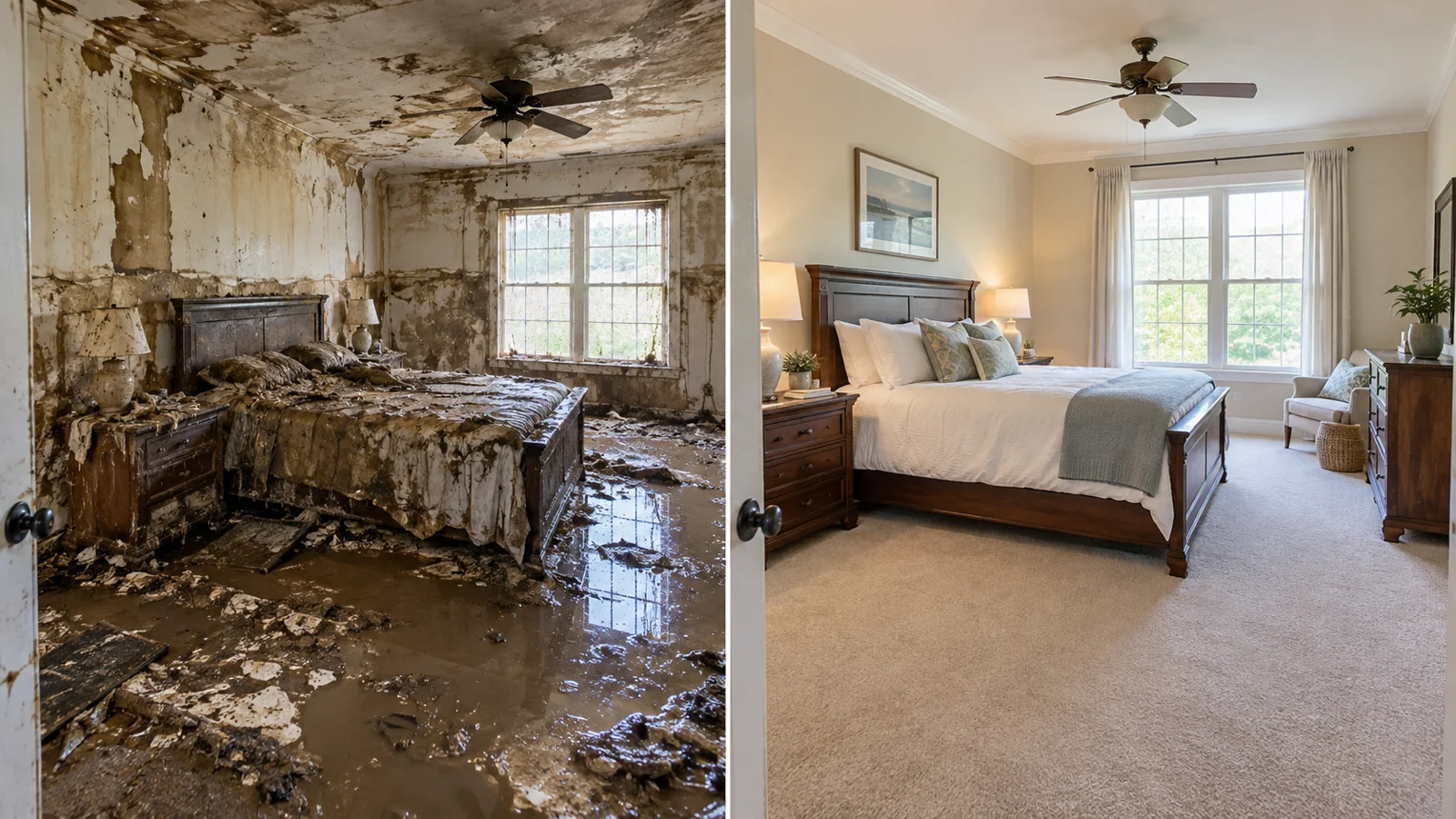
Before and after flood cleanup in a Queen Creek home
A flooded room before and after drying and cleanup.

Local cleanup guide

Queen Creek flood cleanup:
the full guide

Updated October 2026. Official sources are listed at the end.

A laundry-room overflow in Queen Creek may seem limited to the space around the washer, yet water can reach the adjoining hall, cabinet bases, or flooring underneath the machine. The useful first step is to describe what overflowed and where the water traveled, rather than beginning with a presumed drying time. Flood Cleanup Phoenix can discuss cleanup at your exact property address and help identify the details an assessment needs. The focus here is on separating appliance repair from water mitigation and preventing a small visible spill from becoming an incomplete cleanup.

Confirm the property and the appropriate local resource

Queen Creek is included in Maricopa County's floodplain-management directory. Use the exact address when seeking official floodplain information, and confirm the relevant jurisdiction for that property rather than relying only on the postal name. A floodplain resource addresses mapped outdoor exposure; it cannot tell you whether the hose behind a washing machine has failed or whether water remains under laundry flooring. For an indoor overflow, the cleanup discussion needs the room location, building type, and route from the entrance to the appliance area. Include whether the laundry is beside living space, behind a closed door, or above another room. These practical distinctions shape the inspection even when the visible wet footprint is modest.

Determine which part of the laundry system overflowed

A washer supply connection, drain backup, appliance malfunction, and spilled wash water do not have identical cleanup implications. Describe whether the machine was filling, draining, or idle when the problem appeared. If you know a shutoff has been used, say so; if you do not, report that uncertainty instead of assuming the source has stopped. Keep clear of wet electrical components and avoid moving a heavy appliance through standing water. A qualified repair assessment may be needed to explain the source. The cleanup assessment should separately identify the materials exposed to the water. Knowing the operating stage can help narrow the source, but it is not a substitute for checking the connections and affected area directly.

Inspect beneath and behind the appliance

The floor visible in front of a washer is only part of the area that may need attention. Water can remain behind the appliance, under a pedestal, beneath a floor layer, or along the wall behind the hose connections. Ask how those places will be accessed without damaging equipment or creating an electrical hazard. Cabinet ends and base trim beside the appliance deserve attention when water has reached their lower edges. A hypothetical overflow might leave the open tile surface nearly dry while moisture remains against the adjoining wall. That example does not represent an actual customer job; it explains why a surface wipe alone is not a reliable completion check. Appropriate access and readings should guide the extent of cleanup.

Follow water past the laundry-room door

A threshold or change in flooring can make water movement difficult to see. Where tile meets carpet, water may reach the carpet backing or pad even when the top feels only slightly damp. At a hallway wall, water may pass under trim or beneath a partition. Record which adjoining rooms were wet and whether doors were open during the event. Inspection should follow these pathways and establish an affected boundary rather than assume the laundry doorway stopped the spread. If the room is above another occupied area, report stains or drips below from a safe location. The goal is to describe both horizontal and downward movement so hidden damage is considered before equipment placement and repair decisions.

Handle cleaning according to what entered the room

Laundry water may contain detergent, residues, or material from a backed-up drain. The source and contact path influence whether a material can be cleaned in place or requires removal. Do not describe water as clean solely because it lacks a visible color. Conversely, do not decide that every finish is unsalvageable without assessment. Tell the evaluator about sediment, odors, and any repeated overflow. Extraction removes liquid but may leave residues that need a separate cleaning step. Ask which surfaces will be cleaned, which porous layers are being evaluated, and how unaffected rooms will be protected during the work. A careful plan explains the reasoning for each material decision rather than applying the same treatment to everything near the washer.

Make drying measurable in a small enclosed space

A laundry room can have restricted air movement because appliances, shelving, and closed doors limit access to wet surfaces. Drying equipment should account for those obstacles instead of simply being placed where it fits. Ask what readings will be taken near the wall base, floor transitions, and any accessed cavity. The equipment layout may need adjustment as the wet boundary becomes clearer. Avoid moving fans or dehumidifiers without discussing the change, and ask how normal household movement can continue around cords and hoses. Opening windows or running the household air conditioner is not a demonstrated substitute for a monitored drying plan. Completion should be tied to the affected materials, not just a quieter room or the absence of puddles.

Protect clothes, storage, and household routines

Laundry areas often contain towels, cleaning products, baskets, and items stored low to the floor. Separate visibly wet belongings from dry ones, and photograph damaged items before disposal decisions when safe. Do not move wet baskets onto an unaffected carpet or stack damp textiles inside a closet. Ask where belongings can be staged and whether cleaning decisions differ by the water source. Household routines also matter: explain if the laundry room is a passage to a garage or an essential utility area. The cleanup plan should identify a usable route where conditions allow and address access to needed shutoffs or equipment. Keep children and pets away from the working area and coordinate any appliance reconnection with the appropriate repair professional.

Know what the estimate and final handoff cover

A laundry overflow estimate should identify extraction, cleaning, any material removal, structural drying, monitoring, and disposal. Appliance repair, plumbing work, and rebuilding finishes may be separate scopes, so ask directly rather than assuming they are included. The amount of open floor is an incomplete cost guide when water has reached cabinetry or the room below. Ask how concealed damage will be documented and how changes will be communicated. Retain photos showing the original spread and records of the source repair. At the handoff, request a description of the drying checks and remaining repair needs. Reinstalling a washer or replacing trim should follow the condition of the underlying materials so moisture is not concealed by an attractive finish.

Cost table

Queen Creek flood cleanup
cost table

General planning ranges. Your price depends on the size of the area, the water source and what must be removed.

SituationTypical planning rangeWhat moves the number
Minor flood, one room (clean water)$1,000 – $3,500Room size, flooring, how long the water sat
Several rooms or a whole floor$3,000 – $12,000+Square footage, drywall, drying days
Storm or flood water, per sq ft$4 – $9 / sq ftOutside water carries soil and contaminants
Sewage or Category 3 water, per sq ft$7 – $12+ / sq ftContainment, removal of porous materials, disinfecting
Structural drying and monitoring$500 – $3,500Equipment count and days on site
Laundry room overflow$1,000 – $4,000Flooring, adjacent rooms, appliances

General industry planning ranges, not a quote or a Flood Cleanup Phoenix price list. A written scope after assessment is the only reliable number.

Service area map

Map of
Queen Creek, AZ

Approximate area for reference. Call with your street address to confirm service and access.

Flood cleanup FAQ

Queen Creek flood cleanup
questions answered

Do you offer flood cleanup in Queen Creek, AZ?

Yes. Call (480) 919-7058 with the address and what you see, and we will confirm availability for Queen Creek. Call with your address and we will confirm availability, expected response time and any travel considerations before you decide.

Which parts of Queen Creek do you serve?

We take calls from across Queen Creek, including Queen Creek Station area, Queen Creek Town Center, Ironwood Crossing, Founders Park area and other areas. Give the street address and nearest cross streets so we can confirm access.

What causes flooding in Queen Creek?

Queen Creek is in the county floodplain-management directory. The Queen Creek Wash and the San Tan foothills channel storm runoff, and rural parcels may have longer drainage paths and access issues after heavy rain.

How much does flood cleanup cost in Queen Creek?

Small clean-water rooms can start around $1,000, while multi-room or contaminated floods can pass $10,000. See the planning table on this page; a written scope after assessment is the only real quote.

How far out do you serve Queen Creek?

Queen Creek is farther from our Phoenix base. Call with the address and we will confirm availability, response time and any travel considerations.

Does a tiled laundry floor mean there is no hidden damage?

No. Water can pass under tile and into adjacent flooring. A moisture reading shows whether the subfloor and walls are wet.

Does insurance cover flood cleanup in Queen Creek?

It depends on the water source and your policy. Sudden pipe failures are often treated differently from rising floodwater, which standard homeowner policies commonly exclude. Photograph everything and contact your insurer early.

What information should I give about a Queen Creek laundry overflow?

State the exact address, when the overflow was noticed, whether the washer was filling or draining, and which rooms became wet. Mention any source shutoff or repair already completed. Call (480) 919-7058 to discuss the cleanup, and explain if the appliance area or the rooms below cannot be accessed safely.

If the washer is repaired, is water restoration finished?

The source repair prevents further release, but affected floors, walls, and belongings still need assessment. Moisture behind the appliance or beneath flooring can remain after the machine operates normally again. Keep the appliance repair and cleanup records together, and ask for evidence that the wet assemblies are ready before replacing finishes.

Does a tiled laundry floor prevent hidden damage?

Tile is a finish, not a complete description of the assembly below it. Water may reach joints, transitions, wall bases, or adjacent materials. The inspection should consider the floor construction and the path water took. A dry-looking tile surface cannot by itself establish that every connected layer or nearby cabinet base is dry.

Flooded in Queen Creek? Call and describe what you see

Call Flood Cleanup Phoenix(480) 919-7058
☎ Call Now · (480) 919-7058

Privacy Policy

The calculator runs in your browser. The request form prepares notes locally and does not send them to this website. Choosing the messaging link opens your device’s messaging app; you decide whether to send. Avoid including sensitive information.

For privacy questions, call (480) 919-7058. Hosting providers may process technical connection information to deliver this website.

Terms of Service

Website guidance is general information. Confirm service scope, availability and pricing by phone. Calculator totals use your entered planning rates and are not company quotes. Actual costs depend on an on-site assessment.

Do not enter hazardous areas to follow website guidance.