
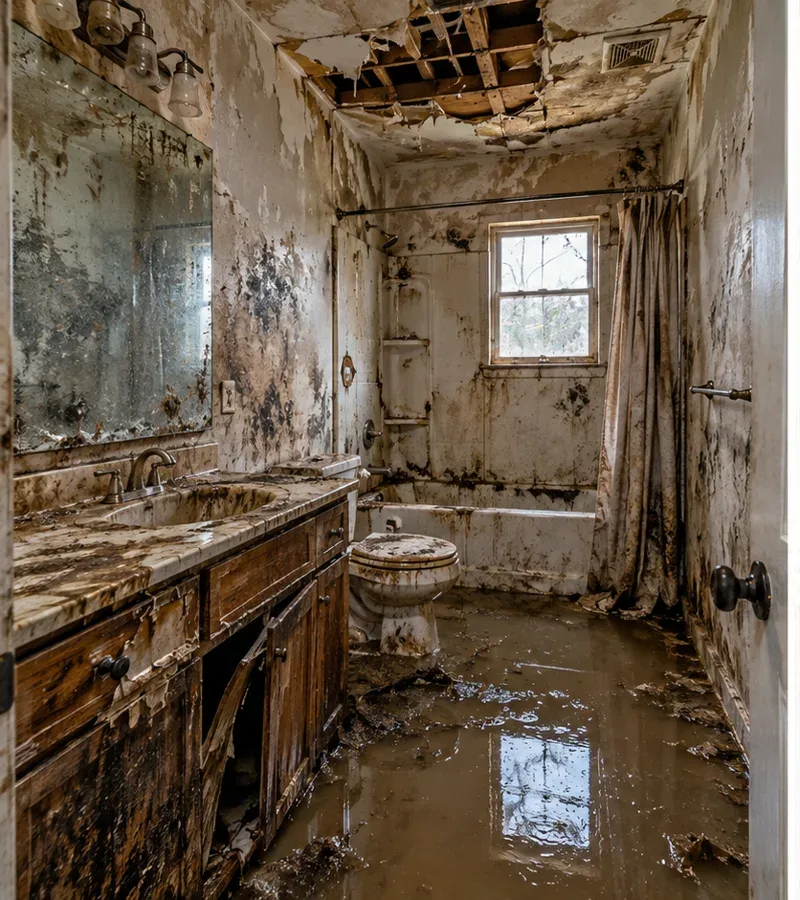
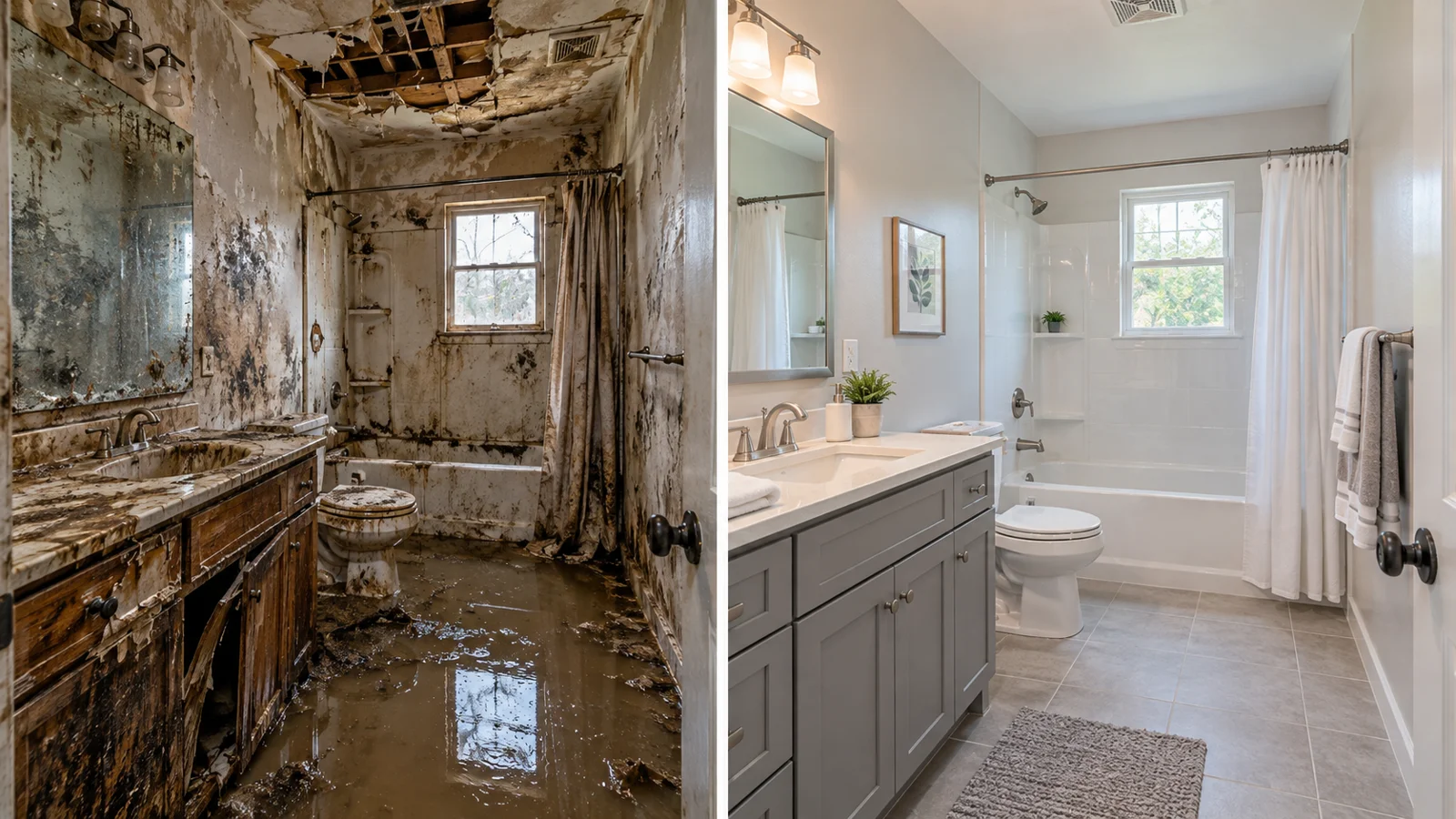
Outside water entering an Apache Junction building creates a different cleanup problem from a small indoor supply-line leak. The assessment needs to consider the outdoor route, what the water carried, and how far it moved through the interior. A floor that looks clear after extraction may still have affected wall bases, porous contents, or layers underneath its finish. Flood Cleanup Phoenix can discuss the conditions at your property using the exact address and an account of the entry point. Start by staying clear of flooded access routes and describing the damage from a safe place.
Use the city's drainage guidance for local context
Apache Junction's official drainage and flooding guidance describes natural washes and seasonal rainfall that can turn normally dry channels into active floodways. The city directs residents to its flood mapping resources and Engineering Division for property questions. This local context helps explain why an exterior entry deserves investigation, but it does not prove a particular home lies in a floodplain or has flooded previously. Give the actual address when using the city's resources. For cleanup, also identify the side of the building where water entered and the materials affected indoors. Regional drainage information and a current damage inspection answer different questions; neither should be reduced to a blanket assumption about all Apache Junction properties.
Keep outdoor access separate from indoor urgency
Standing water indoors can create a strong urge to reach the building immediately. That urgency should not lead to crossing a flooded wash, street, or driveway. The city advises avoiding flooded routes and following weather and public safety information. Communicate access restrictions to the person coordinating cleanup rather than testing the route yourself. A photograph from a safe location can show which entrance is affected without requiring a close approach. Describe whether an alternative entrance is available, where vehicles can remain on dry ground, and whether water is continuing to rise or recede. The work plan needs a safe arrival route and work area before extraction equipment can be used effectively inside.
Trace the water's contact path before judging materials
Outside water can cross soil, pavement, stored items, and other surfaces before reaching an interior. The cleanup assessment should consider those contacts even if the water left little visible debris. Report mud, sediment, floating material, and odors as observations, not as a final contamination diagnosis. Explain whether the entry was through a door, a wall opening, a garage connection, or another point. A hypothetical example is a wet entry rug leading to a carpeted hallway after runoff reaches a doorway. The rug and carpet should not automatically receive the same treatment as a hard surface because they have different structures and cleaning limitations. This is an illustrative situation, not a claim about an actual Apache Junction job.
Separate extraction from removal and cleaning
Water removal deals with the liquid, while cleaning deals with residues and affected surfaces. Material removal may be necessary where an assembly cannot be appropriately cleaned or dried in place. Ask the evaluator to distinguish those decisions in the written scope. A porous floor layer, a solid floor finish, and a swollen cabinet base can need different approaches even within one room. Unnecessary demolition adds work, but leaving an unsuitable layer behind can also leave the cleanup incomplete. The explanation should identify the source information, material condition, and access constraints supporting each decision. Work-zone protection and handling of debris should be planned so residues are not carried through unaffected rooms or into areas used for temporary contents storage.
Check the perimeter and concealed construction
Runoff may spread along low points and remain at the base of walls after the center of a room is cleared. Inspection should include lower trim, adjacent rooms, and transitions between finishes. If flooring covers a layered assembly, ask whether readings or selective access are needed below the visible finish. Wet insulation or enclosed wall materials may require a different drying approach from an exposed hard surface. Do not open walls yourself simply to see what is behind them. The assessment should define what needs access and why. Photos and measurements taken at identified locations make follow-up checks more useful than general statements that the room is improving. A concealed area deserves its own evidence of progress before it is closed.
Plan equipment around a usable household boundary
A drying area can affect access to bedrooms, bathrooms, or the main entrance. Discuss how occupants will move around the work without stepping over active hoses or entering a restricted zone. Explain whether any residents have mobility needs and where pets can stay away from equipment and debris. Decisions about using a room depend on its condition, utilities, and the nature of the work. The absence of standing water does not settle those questions. Ask whether unaffected rooms can be accessed separately and what arrangements are needed during monitoring visits. Equipment noise, placement, and power requirements should be discussed as part of the practical plan, with any changes coordinated so they do not interrupt the intended drying process.
Sort contents by exposure rather than appearance alone
Belongings that contacted outside water need evaluation based on their material and exposure, not only whether a stain is visible. Keep notes about where each affected group was located and photograph items when safe. Rugs, upholstered furniture, cardboard boxes, and electronic equipment should not be lumped together under one salvage decision. Dry belongings may need relocation to create a work route, but moving them through an affected area can complicate their condition. Ask where assessed items will be staged and how items awaiting a decision will be labeled. Avoid mixing outdoor debris with household possessions. An orderly contents process preserves useful information and prevents the storage area from becoming a second wet or dirty work zone.
Discuss cost scope and recurrence as different tasks
The cleanup estimate should show extraction, cleaning, controlled removal, drying equipment, monitoring, and disposal as applicable. Replacing damaged finishes or correcting an exterior drainage condition may involve additional professionals and separate work. Ask what is included and what needs another assessment. Area size alone does not describe the cost when several porous layers or concealed cavities are affected. Document any discovered damage before the scope changes. Once the immediate cleanup is addressed, retain photos of the entry point and bring recurring drainage questions to the appropriate official or qualified property professional. A restoration job can deal with wet materials without establishing a complete long-term drainage design. The final handoff should clearly distinguish completed mitigation from remaining repairs or source investigations.