
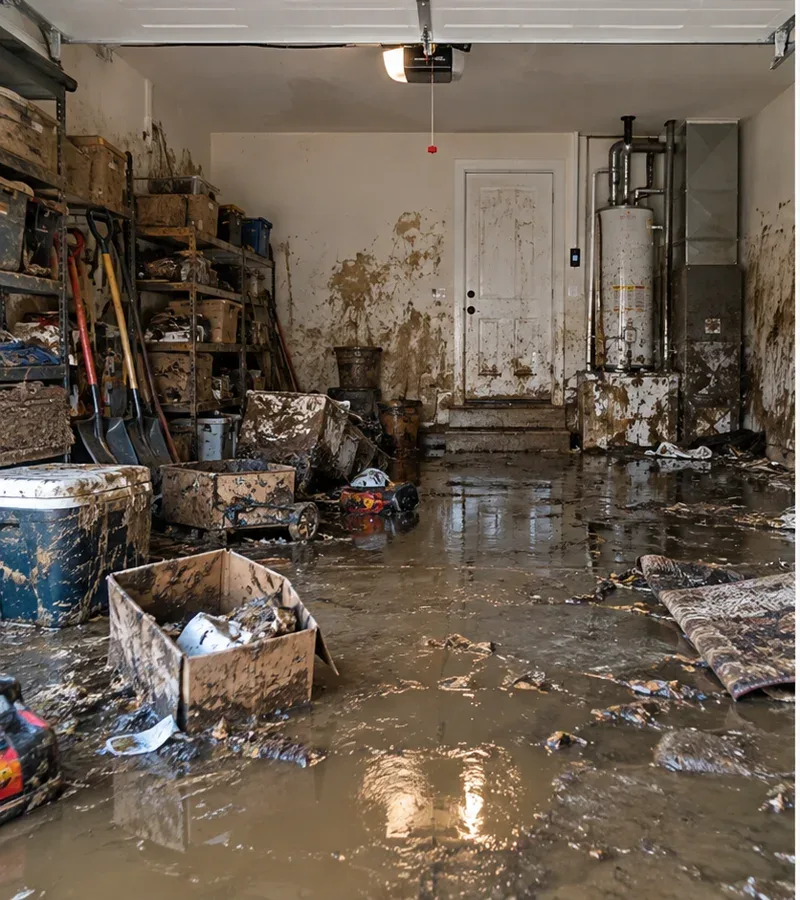
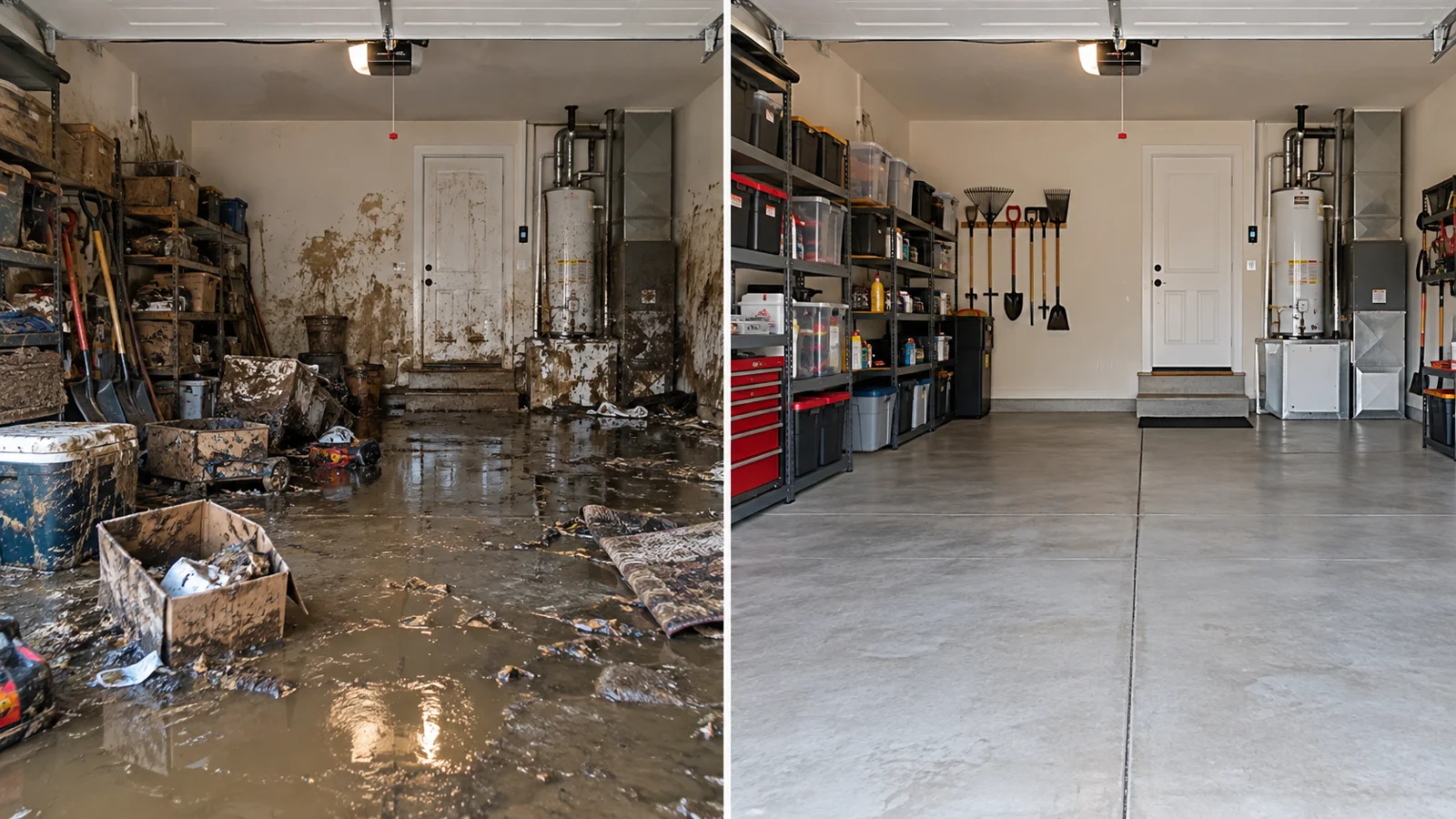
Flood cleanup in Cave Creek starts with two separate questions: what happened inside the building, and whether the building can be reached safely. Water on a floor may come from an indoor supply line, a roof opening, or runoff entering from outside. Those situations require different cleanup decisions. Before describing damage to Flood Cleanup Phoenix, identify the exact address, the room where water first appeared, and any access problems. A useful assessment considers the route to the property as carefully as the condition of the affected materials.
Safe arrival is part of the cleanup plan
If roads or the driveway are flooded, do not attempt to demonstrate the depth by walking or driving through the water. Tell the person coordinating the visit what you can observe from a safe location and whether any route has been closed. A map pin can help identify the entrance, but it cannot establish that the entrance is passable. Describe gates, uneven access, vehicle parking, and the distance from parking to the wet room. These details allow equipment movement to be planned without an improvised route. A temporary access problem should be communicated promptly, even when the indoor damage appears straightforward. Cleanup equipment is useful only after people can reach and work around the property safely.
Cave Creek context without guessing at your flood exposure
Maricopa County lists Cave Creek among the communities for which it handles floodplain management. The county's floodplain information and mapping resources are a sensible starting point for an address-specific inquiry. The existence of a townwide study or mapped floodplain does not explain a particular puddle in a particular room. A house can experience plumbing damage regardless of the outdoor flood map. Conversely, the absence of an obvious mapped designation does not establish that all stormwater entry is impossible. Keep the mapping question and the cleanup question connected but separate: official resources explain designated exposure, while a building assessment traces the water actually present. Provide the full address rather than relying on the town name alone.
Record the route water took through the property
A short account of what you saw first can be more informative than a photograph taken after water has spread. Note whether water appeared at an exterior door, beneath an appliance, along a ceiling, or in several disconnected places. Include the time the property was last known to be dry and whether the source is still active. For a hypothetical example, runoff may wet an entry while an unrelated supply-line leak wets a utility room. Combining those areas into one description would obscure differences in contamination and repair needs. Photograph each area separately when safe. Do not assume a continuous wet floor proves a single source; water can converge, pass through openings, or remain concealed until it emerges elsewhere.
Assessment beyond the visible puddle
After access and source control are addressed, the affected perimeter needs attention. Moisture can remain along wall bases, beneath flooring, inside an insulated cavity, or behind fixed storage after standing water is removed. The inspection should follow the apparent entry path and check adjoining spaces rather than stopping at the room that looks worst. Observations, material type, and moisture readings work together; a stain alone does not show the entire extent. Ask which assemblies are wet and which are being monitored. If a wall or floor needs to be opened, the explanation should identify the reason and the expected extent. Selective access should serve a clear drying or inspection purpose rather than becoming unexplained demolition.
Choose extraction and cleaning for the actual source
Removing standing water reduces the amount left to evaporate, but extraction alone does not finish a cleanup. The plan also needs to account for what the water contacted and whether affected porous materials can remain. Outside water should not be treated like a recently discovered leak from a clean supply line merely because it looks clear. Sediment, debris, and the route across outdoor surfaces change the assessment. Similarly, an indoor leak that has remained undiscovered requires more investigation than its original source might suggest. Describe any odor, residue, or discoloration without using those observations as a definitive classification. The professional assessment should guide cleaning, removal, containment, and equipment placement for the specific conditions.
Drying while protecting daily movement
A drying layout should leave a practical route through unaffected areas where conditions allow. Equipment, hoses, cords, and temporary barriers can alter how occupants use entrances and hallways. Discuss those constraints before equipment is placed, especially if the wet area lies between the main door and essential rooms. Do not move operating equipment to make a shortcut without coordinating the change; the position may be important to the drying plan. Explain mobility needs, pets, and any occupied rooms that need special consideration. The decision about using a space should depend on the building's condition and the work underway. An apparently dry walking surface does not by itself mean nearby electrical components or concealed assemblies are ready for normal use.
Contents, exterior debris, and staging space
Make a simple distinction between belongings that became wet and belongings that are only blocking access. This helps avoid unnecessary handling and keeps dry items out of a contaminated work area. If safe, photograph furniture positions and lower storage shelves before items are moved. Ask where items awaiting evaluation will be staged and how they will be identified. Do not pile wet boxes against a dry wall or inside a closed closet, since that can conceal additional moisture and complicate later inspection. Outdoor debris and indoor contents also need separate decisions; moving material from outside through clean living space can create a new cleanup problem. The objective is an orderly work zone with traceable decisions about each affected group of belongings.
Understand the scope before comparing estimates
A useful written scope separates extraction, cleaning, material removal, drying equipment, monitoring, disposal, and any later reconstruction. Travel access or difficult equipment movement may affect logistics, but no universal price can be inferred from the Cave Creek address. The size of the wet area is only one factor. Layered flooring, soaked insulation, fixed cabinetry, water source, and available staging space can change the work. Ask how adjustments will be documented if hidden damage is discovered and which repair work falls outside the initial cleanup. Keep photographs, source-repair records, and moisture documentation together. At completion, ask what evidence supports the drying decision and what remains to be restored before the affected room returns to its intended use.