
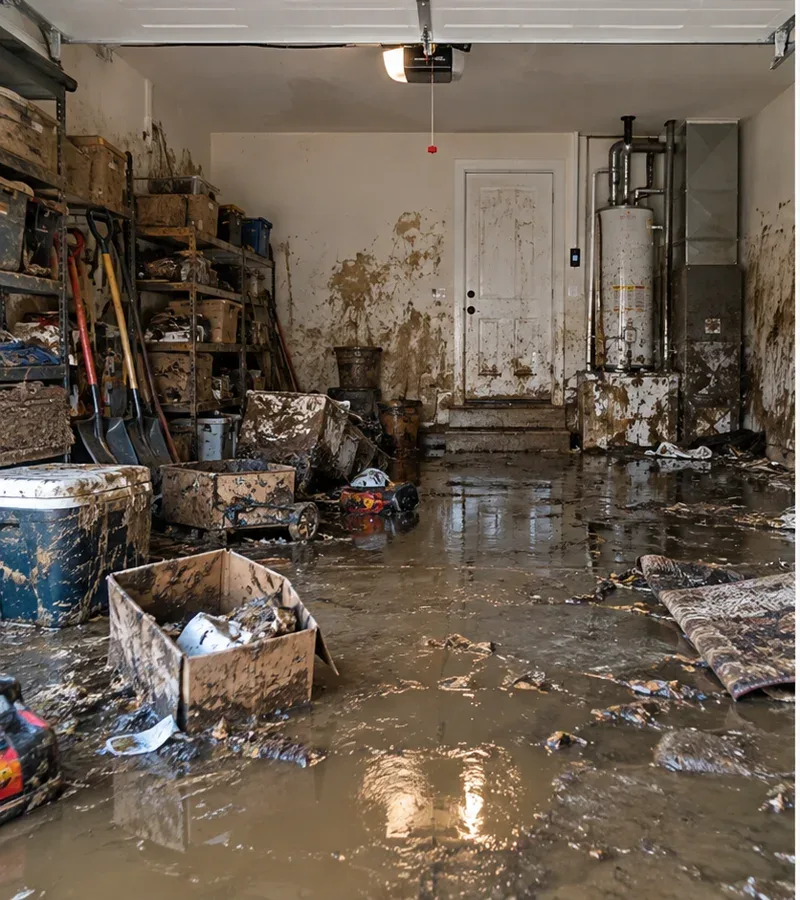
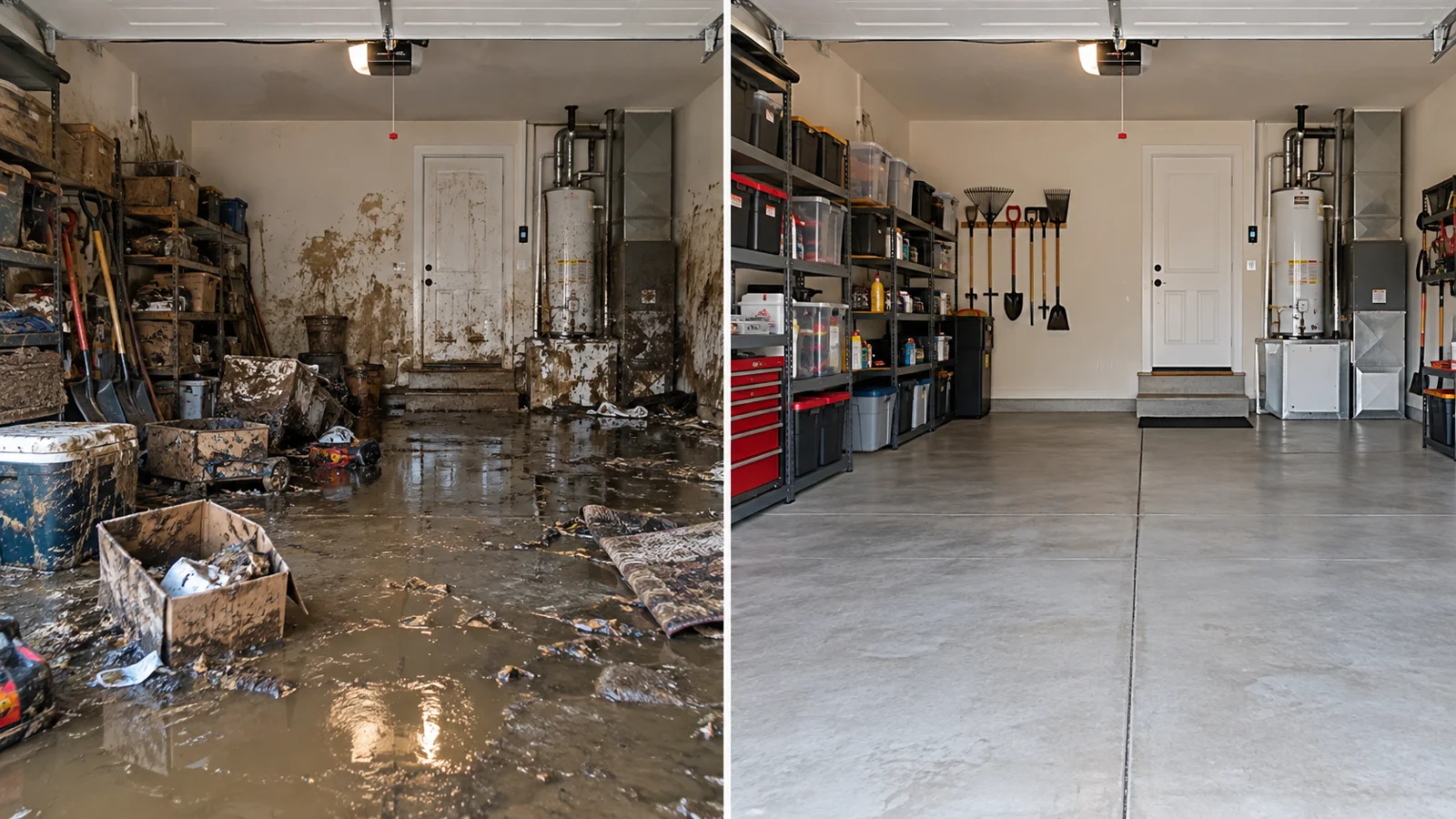
Flood cleanup in Guadalupe includes the building and the belongings that were in the water's path. A room may contain hard flooring, upholstered furniture, rugs, papers, and storage boxes, each requiring its own evaluation. Moving everything out of the room without a plan can lose useful information or place damp items in an unaffected space. Flood Cleanup Phoenix can discuss the cleanup needs at your exact address. Describe the water source, the rooms involved, and the contents that became wet so the assessment can consider both structural drying and an orderly contents process.
Local information and the condition of your building
Guadalupe is listed by Maricopa County among the communities served for floodplain management. The county's official information and mapping resources provide a starting point for address-specific questions about designated floodplains. They do not identify the current water source inside a room or determine whether a particular sofa can be cleaned. An indoor release and outdoor runoff require different investigations even when both affect the same furniture. Begin with the actual property address, building type, and room where water first appeared. Explain whether the space is occupied and whether the contents belong to a resident, tenant, or business. Those details support practical coordination without substituting assumptions about a community for a real assessment of the damage.
Document the room before rearranging belongings
If the area can be observed safely, take wide photographs showing furniture positions and closer pictures of affected items. Include lower shelves, legs, fabric edges, and packaging where water contacted them. A short note describing the room and the discovery time helps connect later photos to the original scene. Avoid moving wet possessions simply to improve the photograph. If a hazard prevents entry, state that limitation rather than trying to reach an item. A useful inventory can group belongings by material and exposure while still identifying important individual pieces. This documentation helps distinguish items actually in the water's path from dry possessions moved only to create a work area. It also gives the cleanup discussion a clear starting point.
Water source influences contents decisions
A fresh supply-line release, a drain backup, and runoff brought indoors have different contact histories. Appearance alone cannot establish that a wet item is suitable for cleaning or continued use. Tell the evaluator what is known about the source and what remains uncertain. Note any mud, residue, or unusual odor without presenting it as a definitive classification. For a hypothetical example, a rug near an exterior door and a wooden table farther inside may have been exposed differently during the same event. That is an illustration, not a claim about an actual Guadalupe cleanup. Decisions should follow the material and exposure of each item, with specialist consideration where appropriate, rather than a single salvage label for the entire room.
Create a staging area that stays useful
Contents handling works best when there is a clear location for dry belongings, evaluated items, and items still awaiting a decision. Ask how those groups will be separated and labeled. Do not place wet cardboard against an unaffected wall or move damp cushions into a closed storage space. A staging area should leave access to the parts of the building being inspected, including wall bases and floor transitions. If space is limited, discuss whether removal from the property or another arrangement is needed and what it includes. Record which items are moved and where they go. An orderly staging plan prevents a cleanup problem from migrating into a second room and makes it easier to return belongings after structural work is complete.
Evaluate furnishings according to their construction
Upholstery, rugs, wood furniture, paper records, and electronics cannot be judged by one cleaning method. A hard exterior may surround absorbent components, while an apparently minor wet edge can connect to a larger concealed area. Ask which items can be assessed on site and which require another specialist. Do not plug in wet electronics to see whether they still function. Delicate or valuable possessions should be identified early so their handling is considered before ordinary work-zone relocation begins. If disposal is proposed, ask for a plain explanation tied to the item's condition and exposure. Decisions should be documented clearly enough that an owner understands them later, especially when several household members are communicating about the project.
Inspect the surfaces hidden by furniture
A sofa against a wall or a cabinet over flooring can conceal damage that remains after the open floor is cleared. Once contents are moved appropriately, the assessment should check the lower wall, floor beneath the item, and adjacent assemblies. Furniture placement may have restricted evaporation or simply hidden the wet boundary. Moisture readings and material observations help establish whether cleaning, selective removal, or drying access is required. Ask how those concealed locations will be checked again as the work progresses. Returning furnishings too early can block access and obscure unresolved moisture. The structural inspection and contents process should therefore be coordinated, with a clear sequence for relocation, assessment, drying, and eventual return rather than separate crews working from conflicting assumptions.
Fit the work zone to the occupied space
Residents may need access to essential rooms while contents and drying equipment occupy part of the property. Discuss those needs before the layout is settled. Identify mobility considerations, pets, children, and any belongings needed for daily use. The work area may include equipment cords, hoses, temporary openings, and items awaiting assessment, so a normal walking route may no longer be suitable. Ask which areas can be accessed under current conditions and how follow-up visits will be arranged. Do not shift equipment or staging piles on your own to make space without coordinating the change. The cleanup plan should provide a practical boundary between ordinary household movement and the areas where materials are still being treated or evaluated.
Compare the structural and contents scope together
A written estimate should explain whether extraction, cleaning, contents movement, item evaluation, disposal, drying equipment, monitoring, and repair work are included. Some contents services or reconstruction tasks may be separate. Ask what changes if hidden moisture is discovered beneath furniture or in a wall cavity. The number of wet rooms does not by itself describe the effort involved in handling densely furnished space. Keep photos, item lists, source-repair notes, and drying documentation in one project record. At handoff, distinguish belongings ready to return from items with an unresolved decision. The room should also have a clear documented drying status and remaining repair list. This makes the final arrangement more useful than simply putting every possession back where it started.